Setting up a reef tank may be intimidating for some, but it is a fun and rewarding process, especially if you already have experience with fish keeping. Starting a reef tank, especially larger ones, will have a high upfront cost, but running one successfully should not cost too much more than a freshwater aquarium. This article will discuss the supplies that are either needed and/or optional for setting up a 20-gallon saltwater fish tank. The list will be similar to supplies necessary for a 10-gallon tank, with a few additions.
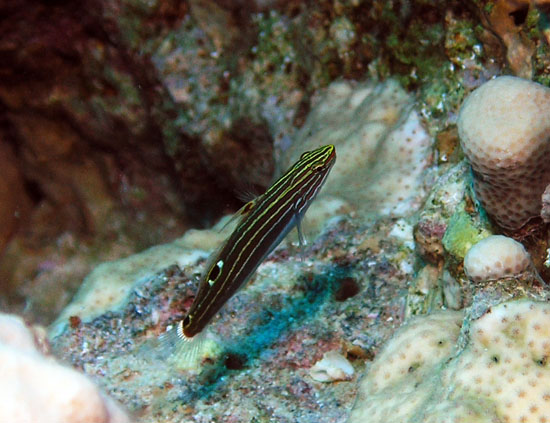
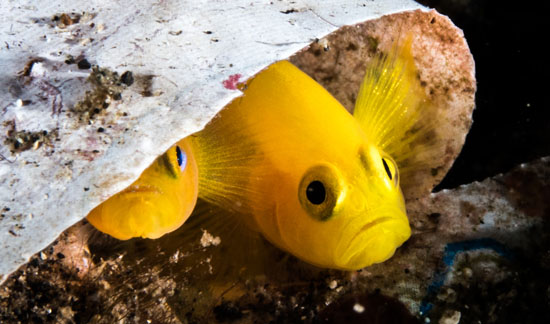
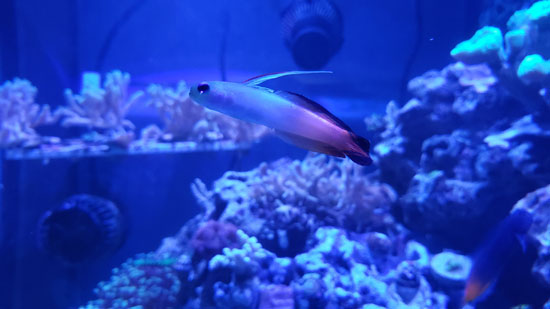
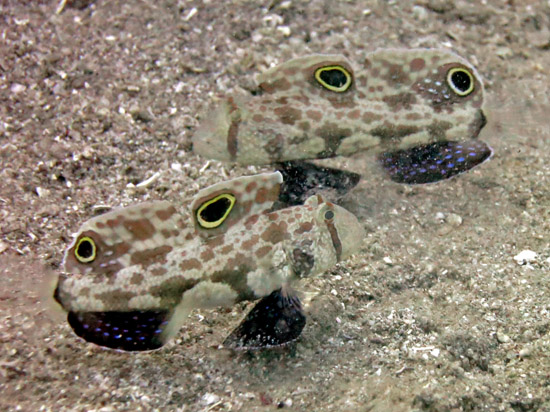
Before we begin the list, check out this list of very cool fish that can be kept in a 20-gallon nano reef tank. Not every fish on the list is compatible with one another but it is great to see the variety of fish species available.
List of Supplies Needed for Aquarium
If you’re looking to make life easier for yourself, consider picking up an all-in-one aquarium, like the JBJ AIO Rimless 20-gallon, Red Sea Max NANO Cube Complete Reef System, or Waterbox Cube 25 Peninsula Nano AIO Aquarium, to name a few. These three are made to be all in one saltwater fish tanks, but can also be used for freshwater. Prices will vary on all in one fish tanks because each will give you varying amounts of supplies and equipment. For example, the Red Sea Max Nano comes with just about everything hardware-wise to build an aquarium, with a stand included. The Waterbox Cube is a little more barebones and only comes with the aquarium glass and built-in sump filtration system.
Whether you decide on an all in one aquarium, or purchase an open-top fish tank, I will still cover everything you need to get started. I’ll cover the following equipment and supplies, and let you know whether they are a necessity or optional for your fish tank.
- Filtration
- Lighting
- Hardscape (live rock and sand)
- Aquarium
- Water changing
- Misc. Supplies
Filtration (needed)
Filtration will help stabilize your water parameters as well as add necessary flow into your reef tank. With the combination of proper husbandry, your aquarium can thrive for years. On an aquarium this size, you should be able to get away with using a hang on back filter. I would recommend an Aquaclear 70 or larger. Fluval Aquaclear filters are my choice for HOB filters because of their large chamber which is almost entirely customizable. Check out Fluval Aquaclear HOB Filter – Specs, Dimensions, etc. for more information on these filters.
At a minimum, I would have your filter loaded with AQUANEAT Bio Sponge Filter Pads and Aquaclear BioMax. The filter pads will trap debris and other waste products, and the BioMax provides ample surface area for beneficial bacteria to colonize and grow.
Filtration (recommended)
If possible, I would recommend converting the large chamber into a refugium. A refugium is a space in the aquarium that allows algae to grow. It’s a little more work at first because you will need a separate light fixture to grow algae, but long term it’ll help a lot once you get macroalgae, like chaeto, growing in there. Macro algae will consume waste like nitrates and phosphates.
If you’re not interested in setting up a small refugium in your HOB filter, I recommend Chemi-pure Blue or some form of Activated Carbon media to help remove undesirable contaminants from your water. I would also include the Bio Sponge Filter Media Pad and BioMax listed above. This media and weekly water changes will help keep your water in excellent condition.
Protein Skimmer (optional)
At this point, a protein skimmer is likely not needed for your 20 gallon reef tank. I wanted to add it to the list because it is an option. Protein skimmers are great at removing a lot of excess nutrients from the water, but this can be replaced with larger water changes. On a nano fish tank, like a 20 gallon, you’ll only be replacing an extra couple of gallons when conducting water changes. A Protein skimmer is fantastic for larger fish tanks, since you may need to change out anywhere between 10 and 20 gallons per water change. If you’re interested in protein skimmers, there are some internal protein skimmers, like the AQUATICLIFE 115 Mini Internal Protein Skimmer that should get the job done.
Lighting (needed)
If you’re looking to grow coral, you will need some type of lighting designed for coral. You do not need a high-end light to grow many different types of coral. There are plenty of budget-friendly lights that will successfully grow coral, but many species of coral, like SPS will require more intense lighting to thrive. You’re welcome to go all out with the Radion G6, which is one of the best LED lighting for reef tanks, or go with something easier on the wallet.
The NICREW 150W Aquarium LED Reef Light should do very well with a 20-gallon long due to its long spread. It has a max spread of 30″ x 30″ at a depth of 28″. It’s plenty of lighting for a 20-gallon fish tank. I recommend purchasing the NICREW Controller with this light fixture so you can easily program your lights to ramp up and down on their own.
Heater (needed)
Most saltwater critters will do best in aquariums with a temperature range between 72°F – 78°F. I would recommend going even further and keeping the water temperature between 76°F and 78°F. It is the heater’s job to get it to that temperature and keep it there. My recommendation for heaters is the Aqueon Pro Heater, it has some of the best quality and its overall build and design are what make it stand out. If you’re shopping around for aquarium heaters, check out the 6 Best Heaters for Freshwater and Saltwater Fish Tanks. If there is anything that will malfunction in an aquarium, it’ll likely be a heater. So It’s good to keep an eye on it and guarantee it is working as it should. I would purchase a thermometer to do so.
Hardscaping With Live Rock & Live Sand (needed)
Some sort of hardscape is needed for your 20 gallon reef aquarium. Some fish keepers enjoy an aquarium with more open space while others love to load their reef tank with live rock. I usually recommend about 20 lbs. of live rock for a 20-gallon reef tank. At the end of the day, it’s your choice how much you decide to use. Just remember that live rock is an important part of your aquarium, it houses countless amounts of beneficial bacteria. It also is the home for your fish and the surface your coral will use to grow and spread. If you don’t have a local fish store near you with live rock, check out the Carib Sea Base Rock and/or Nature Ocean Base Rock for live rock.
Aquarium (needed)
You will need an aquarium to house all of your rock, sand, fish, and coral. If you’re purchasing an Aqueon or Marineland open-top aquarium, you can choose either a 20 20-gallon high or 20 20-gallon long aquarium. I would choose a 20-gallon long because it’s shallower, which will require less intense lighting for your coral. Also, you get more length out of the aquarium, which could theoretically give you more space for corals and frags. At the end of the day, it’s all about your preference and available space. You can check out the dimensions of these aquariums and many other fish tanks here.
Water Changing (needed)
Conducting water changes will be a standard practice with your reef tank. Depending on your system, stocking, and feeding regime, you may need to conduct water changes weekly or every other week. Every system is a little different so it’s important to learn about the nuances and needs of yours. The following are a list of cleaning supplies that I recommend for your 20 gallon reef tank.
Clean Water
For the most part, tap water is not going to cut it for a reef tank. If you use tap water, you’re likely going to contaminate your tank with extra nutrients that will cause algal blooms and lower the success of your coral. If possible to set up, I recommend setting up an RO System for your aquarium. A very common and popular brand is the RO Buddie. It’s nice and compact and will create 50 gallons of water per day. You will not need this much daily but it’s nice to have the capacity. If you cannot set up an RO Unit for your fish tank, the next best thing is to purchase distilled water from your local grocery store.
Saltwater Reef Salt (needed)
Marine aquariums require a “special” kind of salt. You cannot use table salt or regular aquarium salt for your saltwater fish tank. You will need something like Instant Ocean Reef Crystals, Red Sea – Coral Pro Salt, or many other marine aquarium salts out there. There are a lot of different brands available, I currently use the Red Sea – Coral Pro Salt for my reef, but it’s all about preference. I also recommend purchasing a measuring cup to accurately measure the amount of salt needed when you’re conducting water changes.
Refractometer (needed)
We will use a refractometer to verify the proper amount of salt is mixed and that your aquarium has the correct salinity. A well-calibrated refractometer, like this one from Amazon. This tool is very simple to use. You place a little bit of water on the end and look through the eyepiece. You’ll see a color change when looking through the eyepiece, likely a change from blue to white. Where the two colors meet is where your salinity is. You will want your aquarium to be between 1.024 and 1.028 sg. Do your best to keep the salinity stable in your aquarium.
I would avoid hydrometers for reef tanks. They’re great and easy to use at first, but if they are not properly cleaned and rinsed, calcium deposits build up on them and will lead to inaccurate salinity readings.
Siphon Hose & Bucket (needed)
A siphon hose will be great to remove water from your aquarium. You can get a simple Aqueon Aquarium Siphon, a fancy Laifoo Aquarium Siphon, or any other gravel siphon available out there. Besides siphon hoses, you will need buckets to conduct water changes. I recommend having a few 5-gallon buckets and 2-gallon buckets on hand, especially ones with measurements labeled on the side.
Other Supplies
Coral Food (recommended)
Coral are animals, some benefit from getting fed, while others need to be fed to thrive. I recommend feeding corals a variety of foods. My personal favorites are Polyp Lab Reef-Roids and Reef Chili. I will also supplement the coral with the Red Sea Reef Energy Plus AB+. You can make life a little easier by mixing the food with aquarium water in a cup and using a Coral Feeder Syringe to suck up the food then spot feeding the coral. This will help you successfully target feed your coral, to make sure they are getting the food you provide.
Coral Rx (recommended)
Parasites and nuisance microorganisms will likely be growing within coral. It’s good to dip your coral to remove parasites before adding them to your reef tank. There are many different types of coral dips available. Here is a great guide from some pro reef keepers on different dips and dosages used.
Coral Fragging Tools & Frag Plugs (optional)
Coral grow in many different ways. Some will branch out, others slowly encroach onto surrounding rocks. Regardless, having a coral frag kit around will help you frag the coral. Fragging consists of cutting chunks of rock that hold your coral, splitting coral up by cutting them, or breaking off pieces of coral and transplanting them onto frag plugs. The DDP Coral Frag Kit may come in handy when this time comes. Many stony corals will likely need a more heavy-duty tool like a band saw to create clean cuts and prevent excess damage. Once corals are fragged they will need to be placed on a piece of rock or frag plug to keep them from floating away.
Super Glue (recommended)
When you are fragging plugs, you will have to adhere them to something hard, like a rock or frag plug. Super Glue can be used to stick the coral onto these types of surfaces. There are many types of Super Glues on the market, but I recommend Gorilla Glue Super Glue Gel for this task because it runs less and seems less messy than many other glues.
Water Test Kits (needed)
All brand-new fish tanks will have to go through the Nitrogen Cycle. If your aquarium is seeded with filter media from an already established fish tank, your Nitrogen Cycle may be very short. Keeping an eye on the Nitrogen Cycle is very important. You will want to test for ammonia, nitrites, and nitrates throughout your cycle. Coral and marine fish are expensive, so it’s important to complete the nitrogen cycle before adding any livestock into the fish tank. After your cycle is complete you will want to continue testing for nitrates, phosphates, carbonate hardness, and pH.
You’ll be able to check your pH, Ammonia, Nitrites, and Nitrate levels using the API Saltwater Master Test Kit. This kit will help you keep an eye on your water parameters while your aquarium goes through the Nitrogen Cycle. API has made these tests very easy to follow with the instructions. Sometimes the colored results are a little hard to distinguish, but you’ll get a good idea of your water parameter levels. Once you gain some experience and start working with coral, you’ll want to test for things like magnesium which will require more elaborate test kits. Red Sea and Salifert are two companies that make excellent magnesium test kits for aquariums.
Final Notes
There is a lot to digest from this article. Startup costs for saltwater aquariums are fairly high, but it becomes easier once you get the ball rolling. There are a million different ways to setup an aquarium. Certain equipment and supplies are must haves and others, like the fragging kit, can be held off on. The reef tank supply list shown in the article is what has worked for me, and I hope it is a good resource for you as well. This hobby is an investment and patience is also a necessity when working with aquariums. The process of setting up a reef tank is shown below to give you an idea of what to expect.