Tag: aquarium setup

  • How To Setup Planted Aquarium for Neon Tetra

    How To Setup Planted Aquarium for Neon Tetra

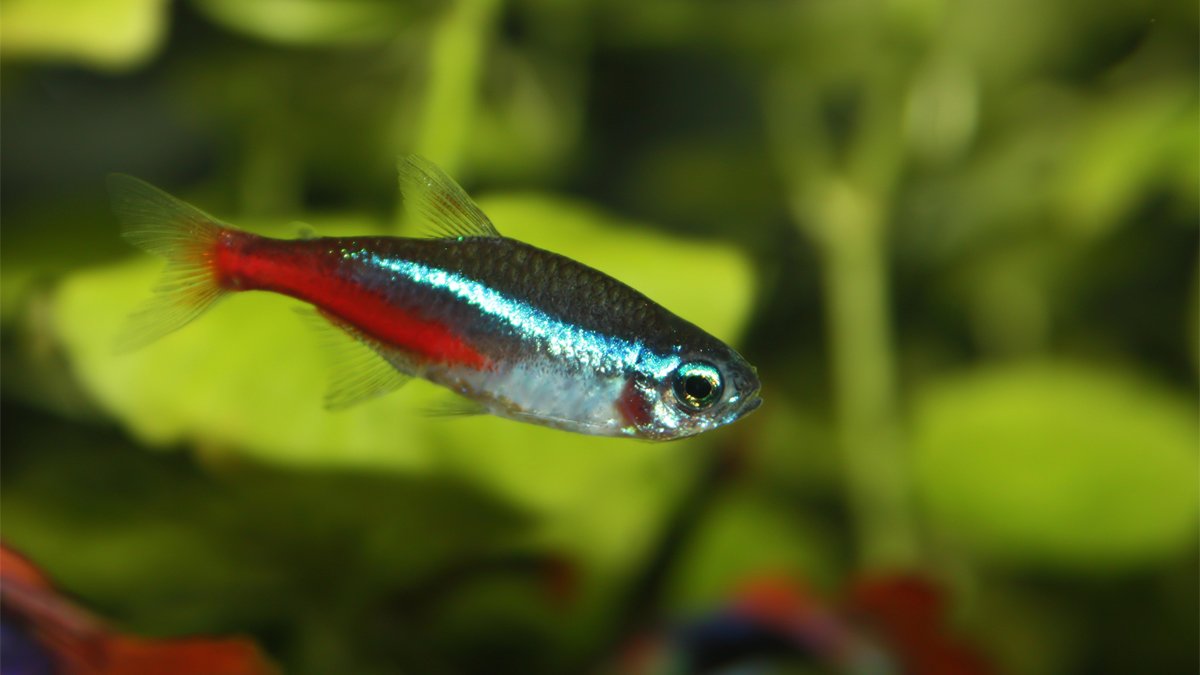
    Neon Tetras are some of the most iconic fish in this hobby. Anyone who has walked into a pet store can probably identify that familiar red and blue coloration. Many people choose Neon Tetras because they are commonly found in pet stores, are vibrant in color, and are incredibly cheap. It makes sense why they are so popular. This guide will discuss what you need to set up a planted aquarium for Neon Tetras.

    Aquarium For Neon Tetras

    To set up an enclosure for Neon Tetras, you’ll first want to start with acquiring a fish tank. A small school of Neon Tetras will do great in a 10-gallon fish tank. You’re always welcome to go for a larger aquarium, but I do not recommend going smaller. If you have an aquarium stored away that you’re thinking of using but don’t remember how many gallons of water it holds, check out some of the Standard Aquarium Sizes to figure out what size it is. If you’re planning on only keeping Neon Tetras, and perhaps a few snails or shrimp, 10 Neons should do great in a 10-gallon aquarium.

    Filtration For Aquarium

    The next thing you’ll want to consider when setting up a planted aquarium for Neon Tetras is what type of filtration to use. The most common ones I suggest are sponge filters or power filters, especially for smaller fish tanks. In most cases, Neon Tetra’s bioloads are minimal so a combination of plants, filtration, and water changes should be plenty to keep your aquarium clean.

    Sponge filters will take up some real estate in the fish tank, but are fairly cheap to set up, use a very small amount of electricity, and provide a lot of surface area for beneficial bacteria. All you’ll need to set up a sponge filter, is an air pump, airline tubing, and the sponge filter. Most air pumps come included with airline tubing. If you’re new to the hobby, check out Sponge Filter Use Cleaning and Extra Tips to learn a few things about this type of filtration.

    Sponge Filter Zoomed

    If you want a more in-depth filtration experience consider getting a power filter. There are many types of power filters available to choose from. Most will get the job done but my favorites are the Fluval – Aquaclear Power Filters or the Seachem – Tidal Power Aquarium Filters. I love these filters mostly because of their customizable and large media baskets. You can swap filter media to whatever you desire and they’ll continue to work well. Neon Tetras don’t have an incredibly large bio-load, but it never hurts to have a good filter running on the fish tank. If you’re shopping around for power filters and are not sold on these, take a look at 7 Best Hang-On Back Power Filters For Freshwater Aquariums to see many other options.

    Lights For Plants

    You’ll need to purchase lights for your aquarium that will complement the plants you’re planning on growing. Some plants do better under more intense light while others do great under medium to low light conditions. If you’re new, I’d start with plants that are very tolerant of lower light conditions and that are not incredibly demanding. I have gotten great results growing plants such as vals, crypts, and anubias with the NICREW Full Spectrum Planted LED Light. It’s a great budget light and a solid introduction to LED aquarium lighting.

    Aquarium Heater

    Unless you live in an area where the ambient temperature is always between 72° and 78°F, you’ll likely need an aquarium heater. You’ll have to pick out the one that will work best for your aquarium’s dimensions. There are a lot of brands that make fantastic heaters. If you’re in the market for a heater, take a look at 6 Best Aquarium Heaters for Your Fish Tank. There are many different options to choose from, I have always had good results from the Fluval M-Series Heaters but I have also used many other brands like the Aqueon Pro Series Heaters that have worked great. Remember, that heaters are the pieces of equipment that are likely to fault out in your fish tank.

    You can take precautions by purchasing an Inkbird Temperature Controller to help keep the heater from causing irreversible damage to your fish if it were to malfunction. An internal aquarium thermostat will also give you a good idea of your water temperature.

    Decorations and Plants

    There are plenty of different decorations to choose from when setting up an aquarium. You can add rocks, live plants, driftwood, artificial decor, and more. What type of decorations you choose is entirely up to you. The most important thing is that what you put in the aquarium is fish-safe. I love aquariums that look and feel like a slice of nature, so my fish tanks are usually dominated by plants, wood, and rockwork.

    Substrate

    A substrate is essentially the “ground” of your aquarium. I have seen many different brands, types, colors, and textures of substrates in my years of fishkeeping. However, if you’re considering setting up a planted tank, I assume you’re looking for a natural look to your aquarium. For planted fish tanks, my go-to substrate is CaribSea Eco-Complete. This substrate is nice because its dark color makes the decorations and fish swimming above pop in color. The opposite occurs when you use a white-colored substrate.

    Another great substrate used for planted aquariums is the Fluval Stratum for Freshwater Fish Tanks. I don’t use this one too often, but many fishkeepers and hobbyists love the quality and look it provides. It also comes with the perks of being very porous to help plants root faster and it helps maintain neutral to acidic water parameters. Before choosing a substrate, consider doing some research on the effects it may have on your plants.

    Rocks, Driftwood, etc.

    Adding rocks and driftwood to your fish tank will surely add a natural-looking touch. Some species of plants and mosses can be grown off of driftwood, and plants growing around stones can make your fish tank look incredible. I recommend giving your driftwood and rocks a good rinse before adding them to an aquarium. However, do not use any household chemicals because those can be dangerous for fish and invertebrates.

    Many aquarists boil their driftwood to help remove the tannins they will likely release into your fish tank. Tannins aren’t dangerous, they are actually beneficial for your fish. However, tannins will cause your fish tank water to turn tea color or sometimes even darker than that.

    Certain rocks can alter the water parameters in your fish tank. For example, limestone or Texas Holey Rock will increase your fish tank’s water hardness and pH level. This is fantastic for high pH, hard water-loving fish, but that’s not the case for Neon Tetras. Lava rock and slate are pretty safe options, but there are plenty of rocks out there that won’t alter your water parameters. Unlike driftwood, do not boil or bake your rocks.

    Plants

    This article is specific to setting up a planted tank for Neon Tetras, so I’ll list a handful of plants that are very easy to care for to get someone started.

    • Anubias are a fantastic option for a planted aquarium. They are very tolerant of low light conditions and have beautiful broad leaves. You can wedge them in between driftwood and grow them out of the substrate. If you plant them in substrate, ensure part of its rhizome is exposed. Otherwise, the rhizome will likely rot and eventually kill off the plant.
    • Java Fern is another great option for a planted aquarium, especially when you’re first starting out. It has a lance-shaped leaf and is usually a nice vibrant green color. This plant is also fairly tolerant of lower light conditions. It’s a great choice for a background plant
    • There are many different species of crypts. You’ll see some that’ll grow much taller than others, and you’ll also see a few color variations. This plant usually grows very well in an aquarium and may even dominate parts of a fish tank if you let them grow out. After breaking down an aquarium, i had a singular root run the full length of my fish tank. The aquarium was about 30″ long.
    • You can’t go wrong with attaching mosses to driftwood. The most common you’ll likely see are java moss or Christmas moss. Moss is a great way to grow something green in an aquarium without losing much open swimming space.
    • There are quite a few different species of Val. The most common i see are Jungle Vals, Italian Vals, and Corkscrew Vals. From experience, they grow very easily and they’ll grow to the top of your fish tank. Once they’re acclimated, they will quickly begin growing vertically and horizontally, taking over much of the background of your aquarium.
    • Pearlweed are very easy-to-grow plants that can be added to a planted fish tank. They’re great for backgrounds and will often propagate quickly. A few sometimes can turn into a jungle.

    Adding Neon Tetras into the Aquarium

    Before adding Neon Tetras to your aquarium, guarantee that your fish tank is established and has gone through the Nitrogen Cycle. The Aquarium Co-Op does a great job explaining what the Nitrogen Cycle is. As a quick summary, your aquarium has to go through a nitrogen cycle when it’s first set up. There are different ways to do it, but I suggest a fishless cycle if possible. Even better, if you know someone with an established fish tank, or own one yourself, you can take filter media, substrate, a rock, or any other hard surface (where bacteria can colonize) and put it into the new fish tank. This will seed the new aquarium with beneficial bacteria. Although it will not fully cycle the new fish tank, it should at least speed up the Nitrogen Cycle process.

    The result of your nitrogen cycle will result in your aquarium reading 0 ammonia, and 0 nitrites, and you’ll likely have a hint of nitrates. You can test for these with the API Freshwater Master Test Kit.

    Final Notes

    Neon Tetras are fantastic fish to add to a freshwater aquarium. They look even better in a freshwater planted tank. Their magnificent blue and red color pops in an aquarium full of plants. Due to inbreeding, they’re a little more sensitive than other fish but are still a very sought-after species.

  • Betta Tank Supplies – Supply List to Setup a Betta Fish Tank

    Betta Tank Supplies – Supply List to Setup a Betta Fish Tank

    Betta Fish Care

    Betta fish are some of the most iconic freshwater fish available to keep at home. These fish are a staple in this hobby with their long flowing fins and variable colorations. The betta, sometimes called the Siamese Fighting Fish, is an incredibly intelligent fish with interesting personalities. Once you own this fish, you will learn all of its quirks and emotions.

    Many newcomers in this hobby believe that bettas will do fine in small bowls but that is not the case. Betta fish do best in at least 5-gallon aquariums but more is always better! You can keep them in fish tanks as small as 2 gallons however, the smaller the aquarium the higher the odds of water parameter fluctuations. This guide will cover practically everything you will need to set up a betta fish tank!

    What Supplies Do You Need for a Betta Fish

    If you want to do it right, a Betta tank setup will likely run you anywhere between $75 and $200. You are more than welcome to go all out and buy any and all supplies for your betta or you can keep things a little more simple. The choice is yours and I hope to cover all of the necessities in this guide. I will break down the supplies that are needed to keep a Betta Fish. Regardless, once your betta tank is set up, you will more than likely begin spoiling your new friend.

    1. Aquariums for Bettas

    The first thing we need on our betta supplies list is an aquarium. We can go a few different routes when shopping around for a betta fish aquarium. We can get a simple aquarium kit, a more “stylish” aquarium kit, or start with an empty glass aquarium and build it from there. If you have an aquarium at home and do not know its water volume, measure the dimensions and input them into the Aquarium Volume Calculator to get an estimated gallon. Let’s start covering the different options out there.

    Aquarium Kits

    Aquarium kits and their stylish counterparts function almost the same but are different in appearance and design. That is the main reason I chose to separate them. An aquarium kit usually comes with everything you need equipment-wise to start your fishkeeping journey. If you’re tight on space check out the Aqueon LED MiniBow Kit. This kit comes in either 2.5 gallons or 5 gallons. It comes included with the acrylic aquarium, hood (with built-in light), power filter, and other small things to get you started. You will have to purchase a heater separately but I will discuss heaters further down in this article.

    If you’re looking for something a little larger, check out the Aqueon Aquarium Starter Kit with LED Lighting. This fish tank kit is 10 gallons and will come included with the glass aquarium, LED hood, QuietFlow Power Filter, Preset Heater, and many other small things like a water conditioner and a fishnet to start you off. I would personally scrap the included thermometer and swap it with an internal one, such as the Marina Floating Thermometer. These kits are a great way to get into keeping a betta fish without the hassle of shopping for lights and filters.

    Stylish Aquarium Kits

    What I call a stylish aquarium kit functions the same as any other type of kit. Their design and filtration system may be different but overall they provide a home for your fish. I use the word stylish for a lack of better words but also because these aquariums usually look sleeker and packaged to make your fish tank look like a piece of art. Many aquarium keepers enjoy setting up these fish tanks in offices, desktops and countertops because of their appearance. At the end of the day, it is all personal preference. You can make any fish tank look like a work of art but what matters is that it provides a happy home for your fish.

    Fluval SPEC & Aquatop Pisces

    The Fluval SPEC and the Aquatop Pisces are two aquarium kits that come to mind. They both have a sleek look to them. The Fluval SPEC is an Aquarium Kit that comes included with the glass aquarium, cover, circulation pump, and LED light. The beauty of this little fish tank is that the filter system is built into the aquarium. You do not have a hanging power filter on the back. All your filter media sits inside which saves you a little space.

    The Aquatop Pisces has a few different models. One specifically looks similar to the Fluval SPEC but the front of the glass is rounded. The Aquatop Pisces comes included with a glass aquarium, lid, LED light, and a filter system that slides into the aquarium. I think the internal but detachable filter is a cool idea, in case you ever want to swap it or replace it with a sponge filter or a different filtration system. Both of these fish tanks will require a heater which we will talk about in the next section.

    Fluval Betta Premium Aquarium Kit

    Fluval has designed an aquarium kits specifically designed to tailor to betta fish. The Fluval Betta Premium Aquarium Kit comes included with a 2.65 gallon glass aquarium, aquarium cover, an LED light, a Fluval pre-set heater, and a filter built into the glass aquarium. This kit is nicely designed and has all the equipment needed for your betta fish. If you’re looking for a professional and a kit that comes included with all the equipment, consider picking up this one.

    Glass/Acrylic Aquarium

    Glass aquariums can be purchased at just about any pet store. They vary in size from 5 gallons and up. If you’re curious, you can check out the list of standard aquariums available. The most common glass aquarium brands in my general area are Aqueon and Marineland. Either will work very well for bettas and I am quite familiar with both brands. There are countless other aquarium brands out there, just find the one that works best for you. If you purchase just the glass aquarium, you will have to buy the equipment separately. Buying a bare aquarium is nice because you can customize it to your heart’s desire. The next few sections will discuss all the equipment you will need if you go this route.

    2. Filter for Betta Fish

    This section will cover filtration systems if you purchased a glass/acrylic aquarium. If you plan on purchasing an aquarium kit, you can skip the next few sections. For small fish tanks, such as the 5 or 10 gallon, the best filters will likely be the sponge filter or the power filter. The sponge filter is great because it creates an excellent environment for beneficial bacteria to flourish. Sponge filters will provide mechanical and biological filtration. It lacks chemical filtration. You may have to make up for the lack of chemical filtration with more frequent water changes and/or with the addition of live plants. Sponge filters are fantastic filtration systems and I encourage you to check out this Sponge Filter How To article.

    Power Filters are also an excellent choice for smaller aquariums. One of the big perks in my opinion for power filters is that they add a little bit more water volume. This is important because nano aquariums are susceptible to larger swings in water parameters due to the lack of water volume. Power filters also provide biological, chemical, and mechanical filtration. I still recommend performing water changes to keep water parameters down and live plants are always a bonus! I will talk a little more about plants later in this article. If you’re shopping for power filters consider taking a look at some of the Best Power Filters available for fish keeping!

    3. Heater for Betta Fish

    If you’re planning on purchasing an aquarium kit with a heater included, you are more than welcome to skip this section. If you keep your house, apartment, office, etc. above 75° Fahrenheit (23.89° Celsius) you can also skip this section. A betta will do best in water temperatures between 75° Fahrenheit and 80° Fahrenheit (26.67° Celsius). For smaller fish tanks like a 5 gallon aquarium, you can consider adding a pre-set heater with your betta. There is no shame in buying a larger heater either. A larger heater is beneficial because when (not if) you decide to upgrade your fish tank, you can use the old heater for the new aquarium. For information and different heater options, take a look at some of the Best Heaters for Freshwater and Saltwater Aquariums.

    If you have one of those external thermometers that stick to the outside of your aquarium, I suggest throwing that out. I do not find those as reliable as something like the Marina Deluxe Floating Thermometer. The biggest perk of this thermometer is that it is inside your fish tank, checking the temperature of the actual water. A digital thermometer may be a little overkill for this setup, but to each their own!

    4. Lighting for a Betta Tank

    If you’re not buying a kit for your Betta fish, you will want to add a light into the aquarium. Luckily there are nice and cheap lighting options on Amazon like the NiCrew light. If you want to build your own light fixture you can also purchase an Incandescent Light Fixture with a clamp from any hardware store. I would combine that with a 5000K – 5500K PAR 38 bulb. Any light 5000K – 5500K light bulb should work, I enjoy using the PAR38 bulbs.

    5. Other Supplies Needed for a Betta Fish Tank

    Substrate

    The world is your oyster when it comes to choosing your substrate. You can choose a vibrant rainbow-colored substrate, sand, or something more natural looking. When purchasing substrate, be sure it is aquarium safe and give it a good rinse before using it. Only use water when rinsing substrate. Do not use any cleaning solutions like soap, bleach, or anything similar.

    Decorations

    Decorations are incredibly important, whether you want a natural look to your betta tank or something out of this world. Decorations provide hiding spots for your betta when it is stressed or wants to get away from the world. I have seen bettas hide in little caves or rest on top of leaves. I love creating natural-looking setups so when setting up a fish tank, I usually add rocks, driftwood, and live plants. Check out some easy to grow plants in aquariums, to give you some ideas if you’re new to this hobby.

    planted aquarium

    The decorations you choose for your aquarium are completely up to you! However, make sure whatever decor or material you use is fish safe! I would also give everything a good rinsing before adding them into your fish tank, but do not use soaps or bleach to clean anything in your aquarium. Water should be enough for most things.

    Water Conditioner

    A water conditioner is something I use in my freshwater fish tanks, especially since I live closer to the city. Our water is filtered so chemicals are added to it to make it safe. What is safe for us, is not the same for fish. A tap water conditioner such as the API Tap Water Conditioner will neutralize chlorine, chloramines, and other chemicals to make tap water safe for your fish. Every time you add water into your aquarium, you should add some tap water conditioner.

    Fish Nets

    I have many different sized fishnets on hand for emergencies. You never know when you might need it so it’s good to keep a fishnet on hand. I never go out of my way to take fish out of my fish tanks. However, a fish can get sick or start getting picked on by others, which forces me to scoop it out and isolate it. You’ll likely never catch a fish by hand so that’s where a net comes into play.

    Food for Betta Fish

    Having an assortment of food is a fantastic way to provide a balanced diet for your Betta Fish. I like to provide different food options for my fish. I feed my Betta pellet food such as the New Life Spectrum Tropical Fish Food. I also feed different flakes foods to my betta. You can feed yours any kind of brand, but consider looking at the Omega One Betta Flake Food. Betta fish will happily eat frozen bloodworms, brine shrimp, and Mysis shrimp. I feed frozen food to my Betta as a treat. As a first time betta fish keeper, consider starting your betta off with flake and/or pellet food.

    Test Kits for Freshwater Fish Tanks

    Test kits for freshwater aquariums are used to monitor the water parameters in your fish tank. There are different tests that can be conducted. Knowing what is going on in your water is important because you do not want to add your fish into unsafe water conditions. For freshwater aquariums, I really enjoy using The API Freshwater Master Test Kit. This test kit allows you to test for Nitrates, Nitrites, Ammonia and pH. Ammonia, Nitrite and Nitrates will be seen during the aquarium’s Nitrogen Cycle. After the cycle, you will likely only see Nitrates in the water. It’s good to have ammonia and nitrite tests on hand just in case. It is good to keep an eye on your pH and I would also purchase a GH & KH test kit. These tests give you an idea of what the general hardness and carbonate hardness is in your fish tank.

    Final Notes

    There are plenty of other supplies that can be purchased for Betta Fishkeeping. I wanted to provide a list of necessary things, especially if you are a beginner in this hobby. Betta Fish are incredibly intelligent fish and if you have patience, you can teach them a few tricks! If you have kept a Betta Fish, or are currently keeping one, don’t hesitate to share your experiences!