Category: Aquatic Plants

  • 10 Best Aquarium Plants For Beginners

    10 Best Aquarium Plants For Beginners

    Jumping into the realm of fishkeeping and planted aquariums can be quite intimidating. Many plant species do best under high-light, CO2, and fertilizer-supplemented aquarium systems. Luckily, plenty of plant species do not require more than decent light above the aquarium to succeed. This article will discuss a handful of plant species that are very beginner-friendly and are what I would consider the best aquarium plants for beginners. This list is in no particular order. Each of these plants has a great chance of success, even for fishkeepers just starting to dip their toes in aquarium plants.

    Affiliate Link Disclaimer

    This page contains links to affiliate products. Click on this box to learn more.

    1. Anubias

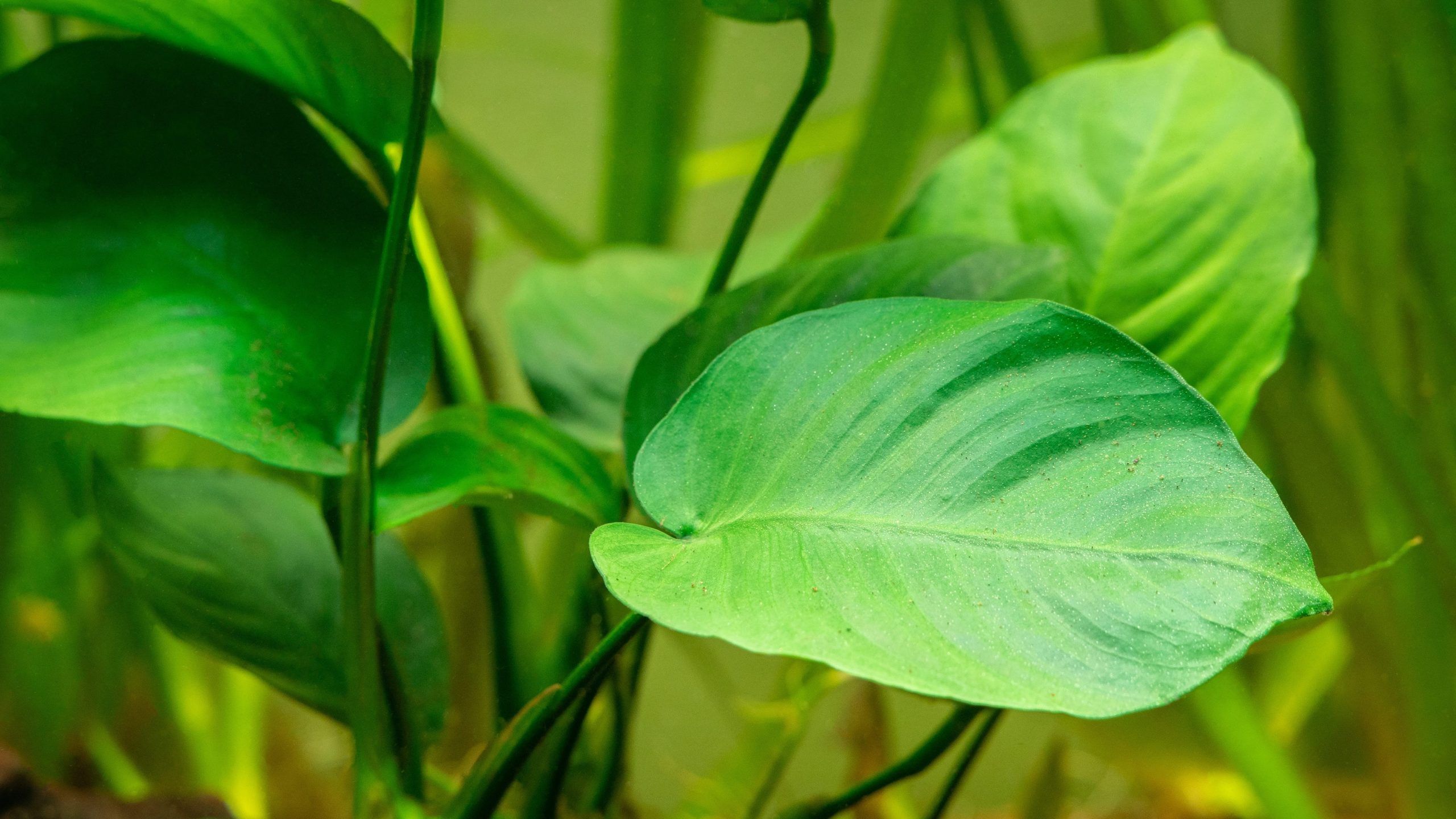
    Anubias Barteri

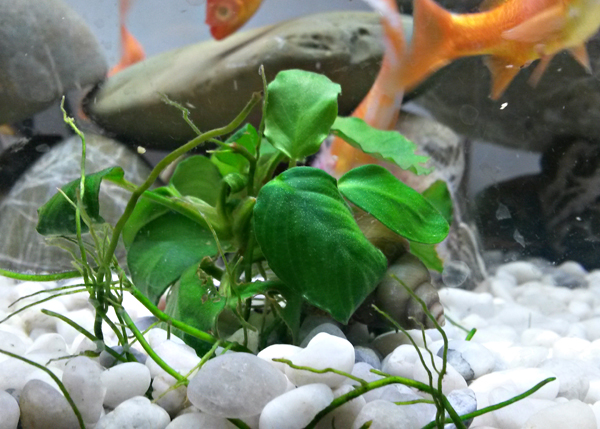
    Anubias is one of those plants that just works. There are many species of Anubias, and most are tolerant of low to moderate light conditions, requiring neither fertilizers nor CO2 supplementation to grow. They’re incredibly hardy plants and an excellent choice for beginner aquarium keepers. If you’re looking for a fast-growing plant, you might want to look elsewhere. Anubias are slow-growing plants. They are in no rush to grow and spread throughout your aquarium.

    These are plants that you do not want to bury in a substrate. They do best wedged between rocks, driftwood, or other surfaces. You’ll have a plant that will slowly whither away if the rhizome gets buried. A buried rhizome will lead to a rotting rhizome, which will eventually cause the demise of your Anubias.

    Anubias should be readily available at most fish stores that sell plants. If you’re shopping online, consider purchasing your Anubias from TheShrimpFarm. They have many different species, but the Anubias Barteri (affiliate link) and Anubias Nana petite (affiliate link) are two species that I enjoy keeping.

    2. Java Fern
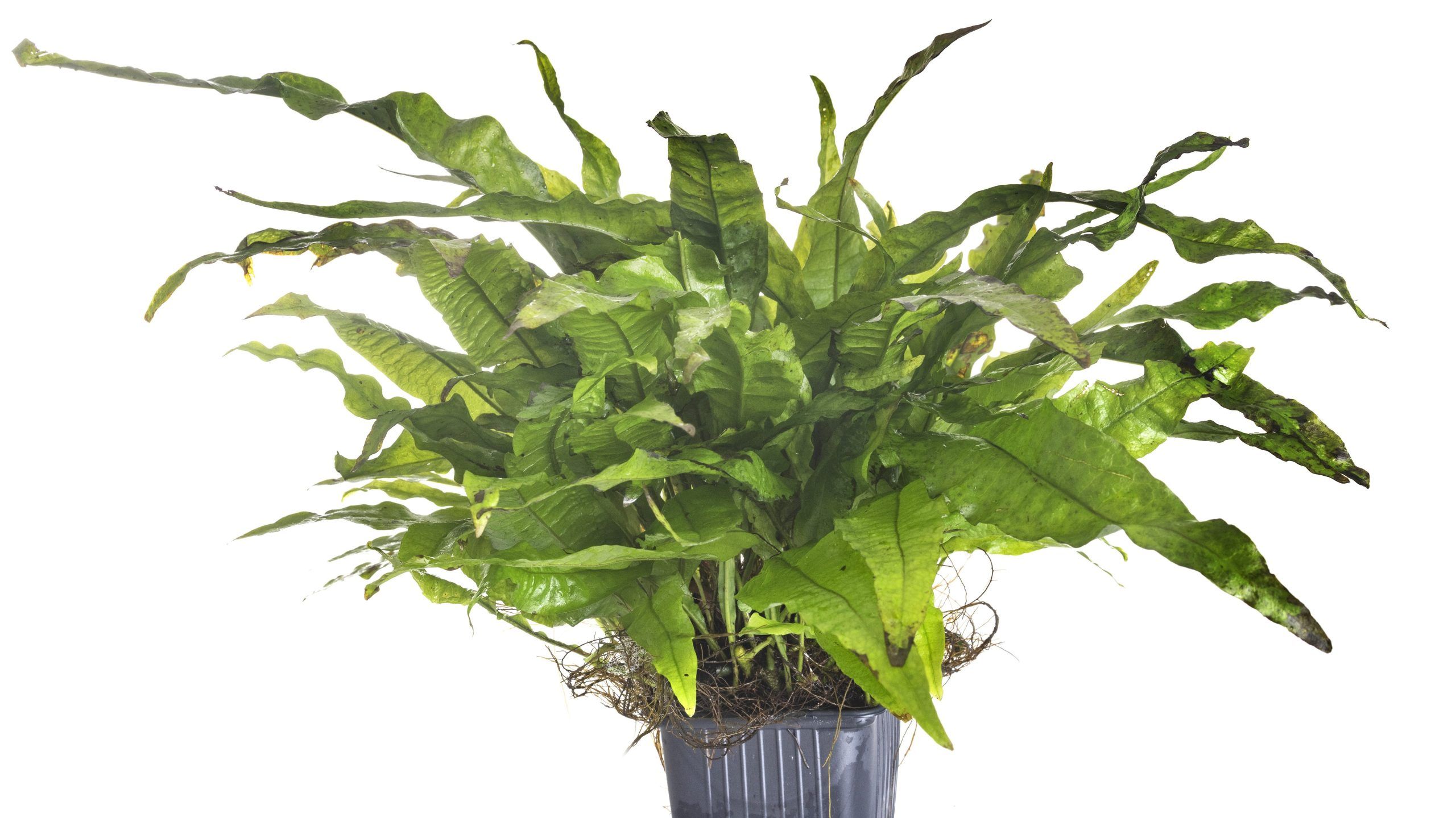
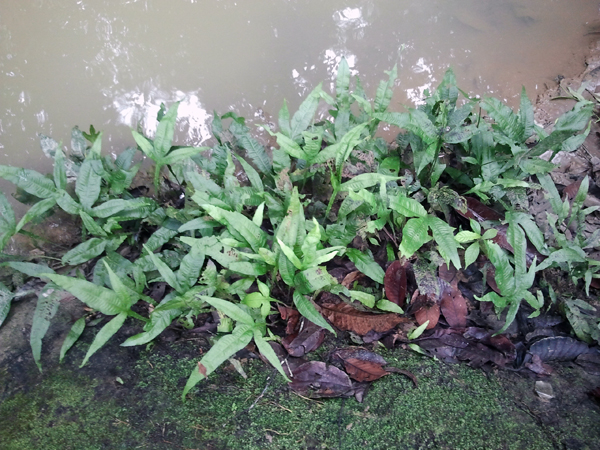
    Java Fern is another species of aquatic plants that is an excellent option for beginners. They have a beautiful lance-shaped leaf that pops in an aquarium. Similar to Anubias, the Java Fern is a slow-growing plant that tolerates low to moderate light conditions. They also should have no issues living in conditions without CO2 supplements and fertilization. This plant species is fine being planted in substrate, but it can also be attached to driftwood, rockwork, or other surfaces. Just like Anubias, you should not bury the rhizome, or it will rot away over time. The roots are the only part of the plant that should be buried.

    This plant species should be easily found at fish stores. It is one of the most popular plant species added to a freshwater planted fish tank. However, if you’re shopping around online, consider purchasing Java Fern (affiliate link) from TheShrimpFarm.

    3. Moss

    Many species of mosses can be added to an aquarium. The easiest and likely most common moss species added into a fish tank is the Java Moss. There are also Christmas Moss, Willow Moss, and Flame Moss, to name a few others. Each moss should grow in an aquarium under low light conditions, without fertilization and CO2. All you have to do with moss is attach it to a piece of driftwood or rock and watch it grow. Some fishkeepers attach moss with fishing line, and remove the line once the moss attaches to the surface permanently. Others will superglue moss to a surface and let it grow from there.

    TheShrimpFarm has Java Moss (affiliate link) and Christmas Moss (affiliate link) for sale. You may find some at fish stores, but the best source of different moss species will likely be online.

    4. Vallisneria

    Vallisneria gigantea

    Vallisneria, or Val for short, are long, elongated grass-like plants that are excellent options for beginners. These plants are often used for the backgrounds of fish tanks because they will likely utilize all the vertical space available. They do great under moderate to high light conditions, do not require CO2, but may benefit from being supplemented with aquarium plant fertilizer. These plants are quite hardy and, once established, will spread quickly throughout an aquarium.

    The Vallisneria species I often use in my aquariums are the Jungle Val (affiliate link) and Corkscrew Val (affiliate link). Both of these have similar care requirements. The Corkscrew Vallisneria has a nice charm to it with a gentle twisting leaf blade. The affiliate links for these plants will take you to TheShrimpFarm product page.

    5. Duckweed

    I wasn’t sure if I should have added this plant to the list, but I decided to do so because it is incredibly easy to grow. Duckweed, a floating plant, is the bane of many fish keepers’ existence. Once introduced, it often will take over the surface of an aquarium. One small piece of Duckweed can turn into hundreds, thousands, and probably millions of individual pieces. I do not recommend adding Duckweed into your aquarium on purpose, but if you choose to try it, know that it may be tough to impossible to remove. You can probably find them in most freshwater bodies of water, but if you’re shopping online, TheShrimpFarm sells Duckweed (affiliate link). Duckweed may not be the best option for your aquarium, but it is one of the easiest and best-growing plants available.

    6. Water Sprite

    Water Sprite is an easy-to-grow aquatic plant with character to it. This plant has lace-like leaves that give it a dense, bushy appearance. This makes it an excellent plant for aquariums with fry, shrimp, and small fish. Water Sprites are tolerant of low to medium light intensities, can be planted or left floating, do not require CO2, but appreciate aquarium-safe fertilizers. Water Sprite is easily planted in the substrate, but one of my favorite features of this plant is that it has no issue being dropped in the aquarium to float and let it grow from there.

    Lace Leaf Water Sprite (affiliate link) can be purchased on TheShrimpFarm or from many other online retailers. You may also find it at your local fish store.

    7. Wisteria

    Wisteria is another very easy-to-grow plant that can either be buried in substrate or left floating to grow in the top portion of your aquarium. It has broad leaves that provide excellent cover for fry, shrimp, and other small fish. Wisteria does best in the background or mid-ground of your aquarium. They tolerate low to medium light, do not require CO2, but may benefit from some fertilization.

    Water Wisteria may be available for purchase at your local fish store, but online options are always available for this plant species. TheShrimpFarm sells Water Wisteria (affiliate link) if you’re looking for an online retailer. There are many other online options as well.

    8. Cryptocoryne

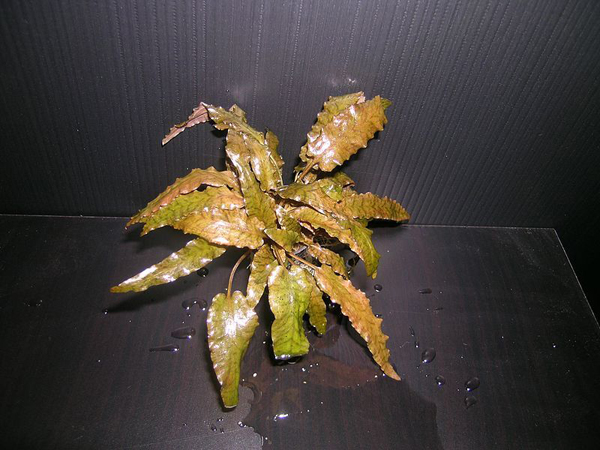
    Crypts are fantastic plants for beginners. They grow without issue in most aquarium settings. I have added Cryptocoryne into an aquarium with moderate light, and after about a few months, it had roots running across the full length of the aquarium. There are many different species of Crypts. Cryptocoryne wendtii and Cryptocoryne spiralis are two of my favorites of the bunch. Highly recommend that you give these a chance if you’re a beginner setting up a planted fish tank.

    9. Guppy Grass

    I just recently gave Guppy Grass a try to see just how easy it is to grow. All I had to do to have this plant succeed was to drop it into the fish tank. I did not plant it or do anything special with it. After a couple of days, the Guppy Grass began releasing roots. These roots shot down to get hold of some substrate. Guppy Grass should do perfectly fine, either planted or left to float, and I recommend giving it a try as a beginner.

    10. Water Spangles

    Water Spangles, also known as Salvinia minima, are the preferred floating plant for beginners. They aren’t as annoying to grow and keep in a planted fish tank, and are much more manageable compared to Duckweed. They do best in fish tanks with minimal to almost zero water movement. Water Spangles will suffer severely in fish tanks with heavy flowing water. This plant does a fantastic job of pulling nitrates out of the water. Check out TheShrimpFarm for some Salvinia minima (affiliate link).

    Final Notes

    For those new to freshwater aquariums, incorporating live plants can be a rewarding and manageable step toward creating a vibrant, healthy aquatic environment. Beginner-friendly species like Java fern, Anubias, Cryptocoryne, and Guppy Grass are hardy, low-maintenance, and adaptable to a range of tank conditions, making them ideal choices. These plants not only enhance the aesthetic appeal of the aquarium but also support the ecosystem by improving water quality and offering natural shelter for fish. With just a bit of care and attention, even novice aquarists can enjoy the lush, thriving underwater world that live plants help bring to life.

  • Benefits of Keeping Live Plants in an Aquarium

    Benefits of Keeping Live Plants in an Aquarium

    Keeping live plants can be a new and interesting challenge for aquarists with any type of experience. For some, live plants are incredibly challenging to keep alive, while others with a green thumb, can keep them all thriving. There are plants available on the market for any experience level. If you have tried and given up on keeping live plants, consider trying again. This article will dive in and discuss some of the benefits of keeping aquatic plants in your aquarium.

    Before we continue, let’s give a quick rundown of live plants in an aquarium. There are many different plant species to choose from in this hobby. Most, if not all will aid in keeping your aquarium healthy and beautiful. Not all plants are the same, some are incredibly easy to grow, while others need a little more knowledge. If you are new to plant keeping, check out this guide that will discuss plant species that are more beginner friendly. If you would like to dip your toes into more “expert” plants check out this article that lists a few plants that can be a challenge. Keeping live plants is exciting whether you are new or a veteran in this continuously evolving hobby.

    1. Live Plants & Fish Health

    Overall, growing live plants in an aquarium will help keep your fish healthier. Plants kept in an aquarium are a nice little food source for your fish, snails, shrimp and more. Also, in the wild, many fish take refuge within incredible masses of live plants. If something startles your fish they will more than likely dart to the nearest patch of wisteria or crypts that are growing in your fish tank.

    The other benefit of keeping plants is that they take in carbon dioxide and release oxygen into the water throughout the day. For beginners, providing water movement (usually through filtration) is still a must because plants “breathe” at night. They will take in oxygen at night and release carbon dioxide. Usually, plants produce enough oxygen throughout the day to sustain the animals in the aquarium at night. If the aquarium is not well planted there is a possibility of suffocating your fish without additional water movement.

    2. Keeping Your Water Parameters in Check

    A well planted aquarium will most definitely help keep your aquarium’s water parameters in line. Fish food, fish poop and decaying plant matter will create nitrates and ammonia in your fish tank. Plants will help remove ammonia and nitrates from the water by absorbing them. Keep in mind, plants cannot do everything, regarding cleaning. It is still completely up to you as an aquarium keeper to guarantee water parameters are in check. Keeping live plants should not give the green light to ease up on aquarium husbandry or to carelessly overfeed the aquarium.

    Because of their fantastic ability to absorb ammonia, nitrites and nitrates out of the water, plants are sometimes used to help speed up the nitrogen cycle. Remember, this hobby is all about patience and normally the nitrogen cycle will take about 4 – 6 weeks to complete. However, your live plants may shave off a little off that time.

    3. Aesthetically Pleasing

    Plastic plants are a nice and easy way to begin your fish keeping journey. A time will most likely come where plastic plants just aren’t enough. You’ll find yourself researching different plant species for an aquarium. This step is always fun and might be intimidating for newer aquarists. It is a great leap into aquarium keeping because although plastic plants are nice looking and easy to care for, nothing compares to live plants.

    Planted Aquarium

    Keeping living plants in an aquarium will help your create a more natural look in your fish tank. There are only a few things that look nicer than a gorgeous mosaic of driftwood and plants in a aquarium.

    Final Notes

    There are probably plenty more benefits that live plants give in an aquarium setting. I am covering some of the biggest benefits of keeping them around. If you’re new to fishkeeping check out some easy to grow plants that do not require much fertilization and CO2 supplementation. If you’re an expert at aquarium keeping, you may have already known all of this information. Regardless, it is great review.

  • 4 Gorgeous Plants That are More Difficult to Maintain

    4 Gorgeous Plants That are More Difficult to Maintain

    Planted aquariums are some of the most beautiful fish tank types in the fishkeeping hobby. Many look like a work of art if setup correctly. There are many different plant species to choose from to populate the aquarium. However, not all plants in an aquarium are the same. Each one has specific needs in order to keep it happy and healthy. This guide will discuss 4 of the more difficult plants that are kept in a planted aquarium.

    Dwarf Baby Tears

    Dwarf Baby Tears are gorgeous foreground plants that carpet your aquarium’s substrate. They’re a fantastic way to make your planted fish tank full and vibrant with green color. It is also an excellent plant to use for spawning fish because the fish can hide their eggs within the leaves. However, they are a little more difficult to keep alive than other plants such as, Dwarf Hair Grass or Micro Sword. There are a few reasons that Dwarf Baby Tears are difficult to keep successfully in an aquarium.

    Lighting

    The first and probably most important factor that makes these plants hard to keep alive is lighting. These plants require a higher amount of lighting than many others. Light intensity quickly diminishes in an aquarium the further it has to travel. The amount of light that reaches the bottom of your aquarium is a fraction of what is available at the surface.

    Water Parameters

    Plants need to have proper water parameters to keep them alive. Most are pretty versatile and will do well in a range of water parameters. Dwarf Baby Tears do well in:

    • Water Temperatures between 68 and 82 degrees Fahrenheit
    • KH levels between 0 and 10
    • pH levels between 5.0 and 7.5

    Most plants will suffer in water that is to alkaline or water that is too hard. Keeping your KH and pH levels down is really important. Certain substrates and driftwood are used to help lower those levels.

    Supplements

    Plants like Dwarf Baby Tears will most likely require added supplementation of nutrients. Plants require macronutrients such as: Nitrogen, Phosphorus and potassium to grow. They also require micronutrients like iron, copper and more. Creating a balance of nutrient levels and lighting are very important at keeping this plant alive. Supplements can be acquired usually in liquid or tablet form at many fish store and on online pet stores.

    CO2 Supplementation

    Dwarf Baby Tears will require CO2 supplementation to help them grow properly. CO2 can be acquired in liquid form or through direct injection (pressurized CO2). Liquid CO2 will become more expensive with larger aquariums and is not always consistent. Direct injection has a larger setup cost but will become cheaper overtime. It is also much better for larger aquariums. Be careful with CO2 because too much can have negative effects on any wildlife residing in the aquarium. It can suffocate the inhabitants of your fish tank!

    Glossostigma Plant

    The Glossostigma plant is also a very beautiful plant used in the aquarium hobby in foregrounds. Similar to Dwarf Baby Tears, the Glossostigma Plant carpets substrate under proper conditions. The bright green coloring of this plant will make any aquarium pop! Furthermore, this plant is excellent for shrimp tanks and fish tanks where fish breed and lay eggs.

    Lighting

    Full spectrum lighting is important for this aquatic plant. It should receive high intensity lighting ranging from 5000K – 7000K. Like the Dwarf Baby Tears, Glossostigma need high lights because of how deep they are in the aquarium. The only time where they may do well under moderate lighting is if your aquarium is very shallow. Regardless, that is not always guaranteed.

    Water Parameters

    Stable water parameters are important for fish but they are also important for plants. Constantly swinging parameters brings unnecessary stress. Glossostigma does well under the following water parameters:

    • Water temperatures between 72 and 78 degrees Fahrenheit
    • KH levels between 3 and 8
    • pH levels between 6.0 and 7.5

    This plant has a fairly nice range of water parameters it can reside in. Sadly, incredibly alkaline water will cause this plant to suffer severely. This plant will do well with many different species of tetras and shrimp because their water parameters usually line up well.

    Supplements

    Just like the Dwarf Baby Tears, Glossostigma will require balance supplementation of Nitrogen, Phosphorus and Potassium. These supplements are commonly found in liquid form or in the form of tablets. Seachem Flourish is commonly used liquid supplement for planted aquariums.

    CO2 Supplementation

    CO2 supplementation is a must for the Glossostigma Plant. Liquid CO2 supplementation or direct injection (pressurized CO2) are both different ways of supplementing this plant CO2. Seachem’s Flourish Excel can be used for liquid CO2 but for larger aquariums direct injection (pressurized CO2) will be more cost effective and safer.

    Madagascar Lace

    Madagascar Lace is a rare-ish freshwater plant that is often sought after in the fishkeeping hobby. It has wispy or “lace” like leaves that adds a very unique style to an aquarium. This midground plant is difficult to keep because of its lighting needs, husbandry requirements and supplemental requirements. However, its unique design really makes it a special plant.

    Lighting

    Just like the other two plant species, the Madagascar Lace requires high lighting in the aquarium. Under great conditions it will flower regularly, so providing it with excellent lighting is a must!

    Water Parameters

    The Madagascar Lace has more specific water parameters compared to the Dwarf Baby Tears and Glossostigma. It will do well in the following parameters:

    • Water Temperatures between 72 and 82 degrees Fahrenheit
    • KH between 3 and 6
    • pH levels between 6.0 and 7.0

    Being a more delicate plant, it is very important to keep water parameters within these ranges and also keeping them stable. Straying away from good water parameters may cause the leaves and bulbs of this plant to melt or deteriorate.

    Supplements

    Besides regular supplementation, the Madagascar Lace should receive extra supplements of iron. Extra iron is needed to help keep the structure of its leaves. Seachem’s Flourish Iron is commonly used to provide extra iron into the water table for this plant. Other supplements such as Seachem’s Flourish or root tabs should benefit the Madagascar Lace.

    CO2 Supplementation

    The Madagascar Lace does not require as much CO2 supplementation as the Dwarf Baby Tears & Glossostigma. However, always consider providing CO2 supplementation because every plant can benefit from it. You can supplement the aquarium with Seachem’s Flourish Excel or pressurized CO2. As always, be mindful how much you dose because too much carbon dioxide can suffocate the inhabitants of your aquarium.

    Ludwigia Peruensis

    Ludwigia Peruensis as a whole is not incredibly hard to keep alive, however it may be a little more challenging to get those vibrant red and green colors. This midground plant is an excellent broadleaved addition to make any aquarium vibrant. This plant is amphibious, which means it will grow fully submersed or partially. I will discuss ways to keep this plant happy and glowing.

    Lighting

    Probably the biggest deciding factor whether this plant will glow vibrantly is the amount of light it receives. If you want this plant to be more colorful, you will need to provide it with more lighting. Moderate light will help give it some color, but realistically giving it high light is ideal. Ludwigia Peruensis does not do very well under low light conditions.

    Water Parameters

    Ludwigia Peruensis is quite a versatile plant and does well under a sizeable range of water parameters. To keep this plant growing well it is recommended to keep between the following parameters:

    • Water temperatures between 72 and 78 degrees Fahrenheit
    • KH between 3 and 8
    • pH levels between 6.5 and 7.5

    Just like the other plants in this list, keeping Ludwigia Peruensis in hard and alkaline water will most likely cause this plant to whither away and die. There are other plants that are more hardy such as java fern or annubias that may tolerate more intense water parameters but it’s never guaranteed.

    Supplements

    This species of plant should be given general supplements that contain Nitrogen, Phosphorus and Postassium. Ludwigia Peruensis should also be given a supplement that is rich in iron, such as Seachems’s Flourish Iron. Both of these supplements will aid your plant in showing off those gorgeous and vibrant colors.

    CO2 Supplementation

    CO2 is not mandatory to keep this plant thriving. However, in order to achieve optimal growth Carbon Dioxide supplementation will be a must. As stated above, liquid supplementation may be adequate but pressurized supplementation is ideal for larger planted aquariums.

    Final Notes

    There are many different and unique aquatic plants that can be kept in a freshwater aquarium. Some are more tolerable and versatile but in this hobby I know we love to challenge ourselves and try caring for more difficult plant species. That is why I put together this guide, to showcase some of the plants that may be a little more challenging to keep. If these are a little too challenging for you, consider looking at my beginner plant guide.

  • 5 Great Aquarium Plants for Low Light Aquariums

    5 Great Aquarium Plants for Low Light Aquariums

    With so many plant options in the aquarium keeping hobby it can become challenging deciding which plants are great for different types of aquariums. Each plant has its own requirements but there are a few that are fantastic for light aquariums. Before we dive into the list we should consider what else a plant needs. Aquarium lights that release a kelvin rate between 5000k and 6500k is what is usually recommended for planted fish tanks. Also consider the compatibility of fish with your plants. Some fish will nibble or tear up your plants so it’s important to know what you have. Water parameters should be considered. Soft and acidic water are important criteria that need to be met in order for your plants to thrive. Lastly, providing artificial CO2 and fertilizing your aquarium with supplemental nutrients may be important factors at keeping your plants alive.

    Once all livestock, lighting type, and water parameters are up to par for plant needs, it is time to start looking at plants to keep in a low light aquarium. This guide will give insight on 5 plants that are great for these type of aquariums.

    Anubias

    This plant is usually my go to for low light tanks, aquatic jarrariums, and tall paludariums. It is such a cool plant. Anubias does not need to be planted! It can be wedged into gaps in driftwood or placed in between rocks. Try not to crush the roots and bulb when placing this plants between rocks.

    Image by Colamc on wikimedia

    Anubias barteri, Anubias coffeefolia, and Anubias nana are probably some of the most common species in this genus. Out of the three, Anubias nana remains the smallest and is more commonly used as a foreground plant. Given enough time, these plants will grow in what look like bushes all over the aquarium with their broad leaves. They’re a fantastic plant to have and excellent for beginner plant keepers. For a more in depth guide to keeping anubias happy follow this link.

    Java Fern

    Java fern is a fantastic low light requiring plant. Its long broad leaves are excellent for the background/midground for low maintenance and low light fish tanks. Java fern care is quite similar to the care of anubias. It does not require to be planted and fairs well being wedged into rocks and driftwood. It can stick out of the water because it is amphibious plant and it will primarily spread through rhizomes. The rhizomes themselves should not be buried because they will recede and rot away over time. It is recommended to keep the rhizomes just above the substrate and just bury the roots.

    Image by Fhurzan on wikimedia

    There are two common types of java fern. The regular java fern and java fern windelov. The normal java fern plant has very broad leaves while windelov has far more wispy and laced leaves. Otherwise they are quite similar plants. Both do well in aquarium temperatures around 60 and 80 degrees Fahrenheit, grow well in pH levels ranging from 5.5 and 8.0, and do well in low to moderate light!

    One final bonus of java fern is that it is one of few plants that can handle being in an aquarium with brutes like South American cichlids. Like with most cichlids its never a guarantee plants will make it but they fare the best in an aquarium with large cichlids.

    Java Moss

    Java moss is remarkable for low light aquariums. It is probably the most hardy moss species that is kept in the aquarium hobby. Java moss carpets decor like rock work and driftwood but it does not normally carpet the substrate in your fish tank. This is excellent to use in aquascapes and grows fairly easily under low light conditions.

    Image by Buchling on wikimedia

    To grow java moss, a string can be used to attach it to a piece of decoration or if it’s possible, it can be wedged into cracks or gaps in decor. It will very quickly attach and begin spreading. It is great to have because some fish will lay eggs in it, it’s a haven for shrimp, and it adds a different kind of life to rocks and other aquarium decor.

    Java moss does well in temperatures ranging between 60 and 80 degrees Fahrenheit and pH levels between 5.5 and 8.0.

    Crypts

    What would a low light aquarium list be without crypts. Specifically, I like to point out Crpytocoryne wendtii and Cryptocoryne beckettii. Both of these plants do very well in low to moderate light aquariums. Their leaf colors will both depend on the amount of lighting that is provided as well as nutrients available in the water. Stable water parameters are a must for this plant because it is possible to rotting at the roots if water conditions are not stable. Under healthy water conditions, this plant will release runners in the substrate and spread to different parts of the aquarium. Overall, this plant is quite hardy and grows very well in the mid-ground of an aquarium.

    Image by S. Tanaka on wikimedia

    This plant enjoys being in water temperatures ranging between 75 and 80 degrees Fahrenheit, KH levels between 3 and 8, and lastly pH levels around 6.0 and 8.0. This is quite a versatile plant and excellent for low light aquariums as well as for anyone new to aquarium keeping.

    Moss Balls

    Moss balls aka marimo balls are very easy to care for in aquariums. They thoroughly enjoy low to moderate lighting and normally dwell at the bottom of an aquarium. It is not desirable to keep them in very bright areas of the aquarium. Marimo balls grow incredibly slow, it may take a few years before you see any difference in size.

    When introducing into an aquarium, marimo balls should be rinsed in aquarium water before being added. There is a possibility of them floating once placed into the aquarium. They will naturally fall to the bottom of the aquarium eventually but the process could be sped up a little by giving them a squeeze under water.

    Image by bryan on wikimedia

    If shrimp and other invertebrates are in the aquarium, do not be surprised if you see them gathered on the marimo ball from time to time. They enjoy eating any leftover food that may get caught within. Propagating this moss ball is incredibly easy. Simply take it out of the aquarium and cut it in half. To help maintain the shape, wrap cotton thread around the ball.

    Marimo balls enjoy being in aquariums with temperatures ranging from 70 to 80 degrees Fahrenheit, KH levels floating between 3 and 8, and pH levels between 6.8 and 7.5.

    Amazon Sword

    Amazon swords are a popular plant in the aquarium hobby. They grow incredibly large and dominate the aquarium with this size. This plant should be kept in the background of the aquarium. Amazon swords are not as easy to care for compared to java fern, crypts, marimo balls, or anubias but they are still a fantastic plant to keep in an aquarium. Normally seen in taller aquarium this plant does great alone or in groups. I personally would not keep this plant in a 10 gallon aquarium or even aquariums that are not taller than 18 inches.

    To keep them happy and healthy amazon swords should receive iron rich supplements. They do best in water temperatures between 72 and 80 degrees Fahrenheit, KH levels between 3 and 8, and pH levels between 6.5 and 7.5.

    Final Notes

    Low light aquarium plants are a great starting point for new hobbyists looking to dip their toes in live plants. From easiest to hardest to care for (in my opinion) is the marimo ball, java moss, anubias, java fern, crypt, and lastly the amazon sword. Start with the easiest like the low light aquarium moss stated in the list and move on to anubias and so on. Aquarium keeping requires patience and taking your time will save you a lot of headaches in the long run.

  • 3 Easy to Care For Aquatic Plants for Freshwater Fish Tanks

    3 Easy to Care For Aquatic Plants for Freshwater Fish Tanks

    From Plastic To Live Plants

    Having a thriving freshwater-planted aquarium is what many hobbyists strive to achieve. It is an incredible learning curve from owning a fish tank with fake plants and decor to a lush underwater garden filled with live plants. Many different measures must be considered when adding live plants into an aquarium. Primarily lighting requirements and a plant’s supplementary needs. Before really diving into all the different aquatic plants that are available check out the 3 plants that I believe are excellent for beginner plant growers. If you’re a pro at keeping plants and want to test your skills, check out 4 Beautiful Expert-Level Plants.

    1. Anubias

    There are many different varieties of anubias out on the market ready to be scooped up by aquarium keepers. Most, if not all, are incredibly hardy and do well in mid to low-light fish tanks. The anubias usually does quite well without any special fertilization or CO2 systems. They don’t even need to be put into the substrate.

    Image by Colamc on wikimedia

    The anubias can easily be put into driftwood or wedged in between rocks. They’re excellent starter plants for beginner-planted tank keepers. The plant has very broad leaves and helps create a unique structure in an aquarium setting. Check out this guide on anubias care.

    2. Java Fern

    Java fern is an excellent starter plant for aquarium keepers. They are a great mid-ground plant that will do perfectly well living in moderate to low lighting, just like the anubias. Java fern is considered an “amphibious” plant because it can live partially or fully submerged. This plant spreads mainly through rhizomes and can happily take over parts of your aquarium if not managed properly.

    Image by Fhurzan on wikimedia

    Finding plants that do well with South American cichild’s lively personalities is sometimes hard but java fern should do alright with those gloriously tough fish. It can also be placed on driftwood or in between rocks although it is not as commonly done as with the anubias.

    3. Crypts

    Cryptocoryne otherwise known as crypts are also a fantastic and easy-to-grow plant for a beginner dipping their toes in planted fish tanks. Cryptocoryne Wendtii is more or less the one I am specifically talking about. This plant grows very well in low to medium lighting and it spreads wonderfully through rhizomes.

    Image by S. Tanaka on wikimedia

    I had one that spread rhizome from one side of the aquarium to the other. Its leaf coloration will range from green to red to brown which is dependent on how much light it receives and amount of nutrients in the water. It is a plant with a lot of variability and will add quite a bit of personality into your aquarium.

    Final Thoughts

    These 3 species of plants can do very well with as little as good lighting, a substrate, like Eco Complete Planted Substrate, and fish waste! If they are in your aquarium and they seem to not be doing well test your water with an API Freshwater Master Test Kit to make sure your water parameters fall within your plant’s range.

    Depending on the amount of fish in your aquarium, there may not be enough natural fertilizer (fish poop) to keep your plants happy so consider providing some liquid fertilizer such as Seachem Flourish which is an all-around supplement for plants, and Seachem Flourish Excel which is a CO2 supplement. There are many other fertilizers out there but this is a good start for supplementation. Read the instructions carefully because adding too much Flourish will cause algae blooms and too much Flourish Excel can cause harm to your fish because it is practically CO2 in a bottle!

    Image by úlfhams_víkingur on wikimedia

  • The Easy to Care for Anubias

    The Easy to Care for Anubias

    Anubias is a fairly easy-to-keep plant that can be found in many different freshwater aquariums. This is an excellent starter plant for most hobbyists dipping their toes into live-planted tanks. Personally keeping anubias in my aquarium has helped me realize how easy it is to keep. One of the most common of the anubias species is Anubias barteri. This guide is meant to cover anubias plant care in your freshwater fish tanks.

    Anubias Keeping Requirements

    As stated previously, this plant does not require much of anything to stay alive. Although they prefer moderate lighting they still do well in both low-light and high-light situations. They may grow incredibly slowly in low-light aquariums but shouldn’t perish. They will also grow quicker in brighter light fish tanks but they may be plagued with algae growth on their leaves. They should do fine with a light that ranges from 1 – 3 watts per gallon.

    These plants are excellent for your typical freshwater community tank because the water parameter anubias needs line up roughly with the aquarium requirements. They require a temperature ranging from 72° – 82° F, KH levels between 3 and 7, and pH levels between 6.5 and 7.5. It is quite a versatile plant that is accepting of a broad water parameter spectrum.

    Image by Colamc on wikimedia

    Fertilizer and CO2 systems are recommended for live plants but they are not a requirement for this one. Proper gravel such as Eco-Complete by CaribSea and fish waste should provide the supplements this plant needs. As a bonus aquarium inhabitants such as fish and invertebrates will provide much of the CO2 for this plant. Good gravel and decent lighting go a long way for anubias.

    Anubias Plant Placement

    Anubias is one species of aquatic plant that does excellent growing outside of substrate too. Many aquarists will wedge their anubias in between driftwood and/or rocks. The plant will snag most nutrients straight out of the water column. Personally, this is my preferred method of keeping this plant. It makes propagating easier and I feel this allows the rhizome and roots to breathe a little bit better. Be sure not to crush the roots under the rocks. A simple wedging should suffice. Many hobbyists use a rubber band to keep the plant attached to driftwood and then remove the band once it is attached.

    Propagating Anubias

    Propagation is quite easy as well! The easiest way to propagate is to verify the plant has at least 8 or more leaves. Using aquarium scissors from an Aquascaping Tool Kit, you can cut the rhizome in a way where half the leaves are on one cut rhizome and the rest are on the other. Then decide where to put the newly propagated anubias and the task is complete! It shouldn’t need much more than that.

    Final Thoughts

    Anubias plant care is fairly straightforward. This makes them an excellent plant for first-time keepers. I love using them for low-maintenance betta aquariums. They do not require much and the betta will use the leaves as a place to rest and it’s so much fun to observe. They’re excellent plants for the foreground, midground, and background of any aquarium. They’re a very appealing plant that is very rewarding to grow. If you are new to plant keeping, consider checking out 3 Easy to Care For Aquatic Plants for Freshwater Fish Tanks.

    Image by Ji-Elle on wikimedia