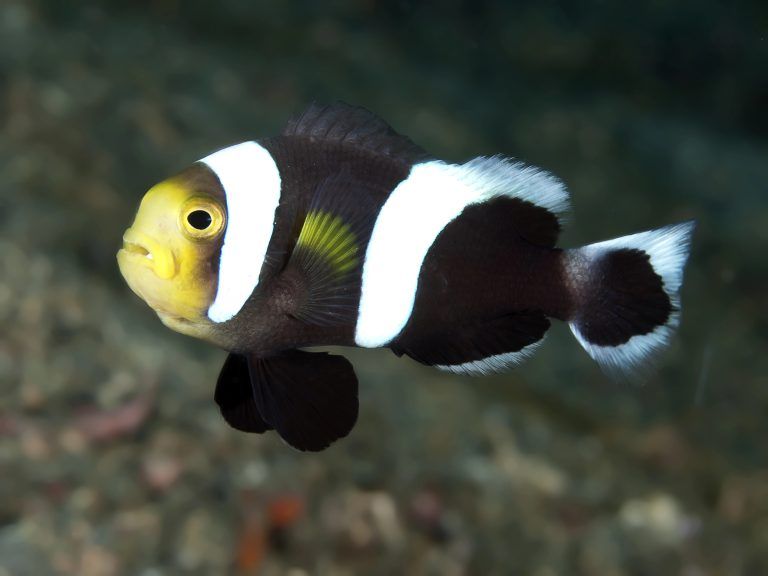
The Ocellaris Clownfish (Amphiprion ocellaris) is a very popular fish found in the saltwater fish-keeping hobby. The popularity of this fish grew exponentially due to the movie Finding Nemo. The movie was heartwarming, but it caused devastating damage to Ocellaris Clownfish populations in the wild. Luckily, this species of Clownfish is fairly easy to breed in an aquarium. The ease of breeding opened the door to selective breeding for unique traits, colors, and morphs of Ocellaris Clownfish. Captive breeding also helped put less of a strain on wild populations.
Ocellaris Clownfish, whether captive-bred or wild-caught, grow to about 3 inches in length when fully grown. The female will be larger than the male if you choose to keep a pair. They have a unique snake-like swim pattern, which makes them interesting to watch. They may or may not find a coral, anemone, or some other structure to host in. This guide will discuss Ocellaris Clownfish care, including aquarium requirements, dietary needs, tank mate compatibility, and briefly discuss breeding.
Aquarium Requirements
A 20-gallon aquarium is the smallest sized aquarium I recommend keeping Ocellaris Clownfish in. Anything smaller just isn’t large enough to keep this fish happy. Anemones are optional additions to the aquarium. They add another level of challenge in a saltwater fish tank because they can move, get caught in circulation pumps and filtration, and wreak havoc on your fish tank’s water parameters if they die. Captive-bred Clownfish may not use an anemone as a host even if one is available. I recommend various live rock for the aquarium and a well-fitted lid. I have experienced my fair share of jumping Clownfish, so a lid will help lessen the chance of it happening.
Is the Ocellaris Clownfish Reef Safe?
Generally speaking, the Ocellaris Clownfish is reef safe. I have not seen this species ever nip on coral or try to consume crustaceans. The only issue I can think of that would make this fish “not reef safe” is when it is looking for a host. Some Ocellaris Clownfish may turn to coral if an anemone host is unavailable. This could stress coral out, which causes them to close up.
Water Parameters
Ocellaris Clownfish have similar water parameter requirements as most saltwater fish. They do best in water parameters ranging between 72° and 78°F. However, I’d fine-tune that range and do my best to keep them between 76° and 78°F. The pH in the aquarium should be anywhere between 8.0 and 8.4. KH levels should range anywhere between 8 and 12. Lastly, salinity levels in the fish tank should fall between 1.020 and 1.025. You can learn about “Different Salinity Reading Tools for Saltwater Fish Tanks”. It’s important to keep your water parameters stable and within the recommended ranges. Using tools to monitor water parameters will make your fishkeeping life easier and more successful.
Food & Diet
Getting Ocellaris Clowns to eat should not be any trouble. Tank-bred clownfish should take food without issue. Clownfish should consume Mysis Shrimp, Brine Shrimp, pellet food, flake food, and anything else you might want to feed your saltwater fish. They are omnivorous, so it’s great that they will eat most foods that are provided. Keep in mind that Ocellaris Clownfish are also aggressive eaters. They may bully other fish to make sure they get food.
Tank Mates
Most peaceful fish should have no problem with Clownfish. They should have no issue with Anthias, Blennies, Chromis, Damsels, Dottybacks, Dwarf Angels, Foxfaces, Gobies, Hawkfish, and many more fish species. I do not recommend keeping more than two Clownfish in a fish tank. I also do not recommend keeping different Clownfish species with Ocellaris Clownfish. I’d only consider this if you have an aquarium that is at least 125 gallons.
Ocellaris Clownfish and Anemones
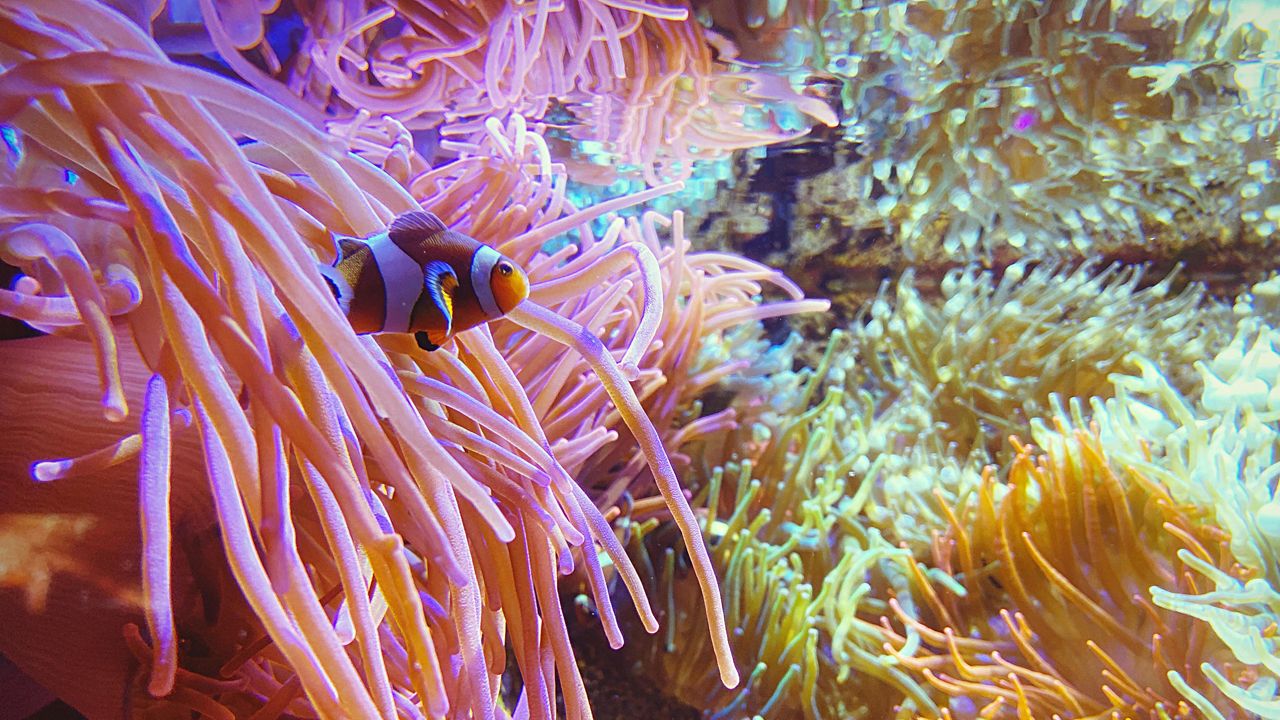
If you want to attempt getting Clownfish to host an anemone, I recommend getting an anemone before even thinking of Clownfish. An established and mature saltwater fish tank is recommended for an anemone. I’d let the aquarium run, fully cycled, for about 6 months before adding an anemone. Then it’ll be a good idea to add the anemone and give it time to settle in. You want to do this because a Clownfish hosting an anemone will bring stress to the anemone. Once the anemone is settled in and perhaps given some time to grow, the Clownfish could be added. It’s not guaranteed that Clownfish will host in an anemone, but watching them do it in a fish tank is one of my favorite parts of this hobby. It is what got me into reefkeeping.
The Bubble Tip Anemone is probably one of the most popular species in this hobby. They’re one of the easier anemones to care for, and Ocellaris Clownfish can use them as a host. Ritteri Anemones and Carpet Anemones are also kept with Ocellaris Clownfish, but these anemones are more challenging to keep and are recommended for fishkeepers with expert level experience.
Breeding
Out of the many saltwater fish in this hobby, Clownfish are some of the easiest to breed. This ease of breeding opened many doors to selective breeding, which has given us very unique colorations and patternwork within the species. A few examples of this are the Mocha Storm Clownfish, Black Snowflake Clownfish, and Flurry Clownfish. These fish look way different than the standard orange, black, and white Ocellaris Clownfish many of us grew up with.
Unfortunately, I have not attempted to breed Ocellaris Clownfish, so I do not have information to provide on this topic. However, there are plenty of resources on this topic. The following link is a great resource to get you started on How to breed Clownfish.
Final Notes
Ocellaris Clownfish are a staple in this hobby. They are often some of the first fish added into an aquarium due to their familiarity, hardiness, and amazing personalities. I highly recommend giving these fish a try if you’re entering the realm of saltwater aquarium keeping.
Thanks for clicking this tab, this is planned for a future feature of this website!