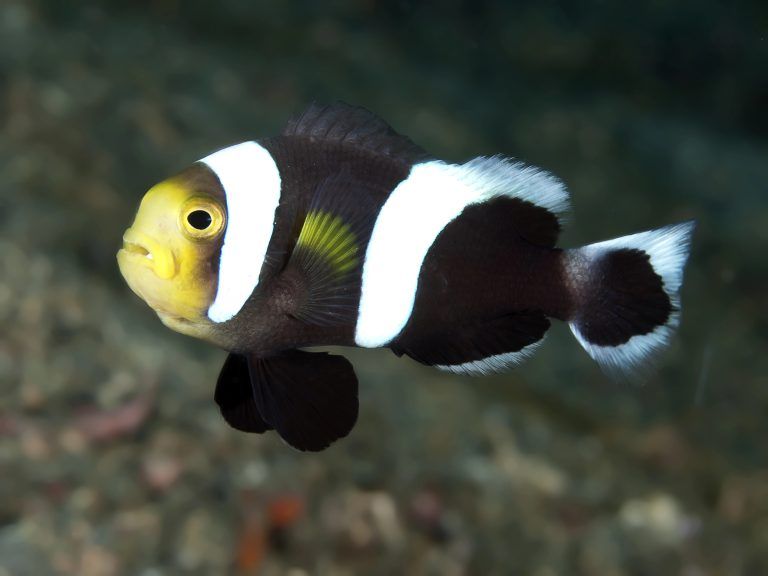
The Rusty Angelfish (Centropyge ferrugata), also known as the Dusky Angelfish, is a hardy dwarf angelfish species native to the Indo-Pacific, especially around Japan and the western Pacific reefs. Its reddish-brown coloration with darker spotting makes it stand out as a unique addition to marine aquariums. They’re gorgeous fish with elusive personalities when first introduced, but become incredibly outgoing once they settle into a fish tank. This guide will discuss care information for the Rusty Angelfish, including information on its aquarium needs, dietary requirements, tank mate compatibility, and more.
Aquarium Requirements
A minimum of 75 gallons is recommended to provide space and reduce the territorial aggression of this fish. Provide plenty of live rock for grazing and hiding. Rusty Angels love to dart in and out of caves and crevices. Dwarf Angelfish love utilizing both open spaces and nooks of live rock. Angelfish aren’t commonly known as jumpers, but any fish can theoretically jump out of a fish tank. A cover or lid is always recommended to keep them from doing so.
Is the Rusty Angelfish Reef Safe?
Rusty Angelfish are known to nip at large-polyp stony corals (LPS), soft corals, and clam mantles. They are less likely to bother small-polyp stony corals (SPS), but results vary by individual. If kept in a reef tank, close monitoring is essential. They are usually safe with non-sessile invertebrates like shrimp and crabs. If you have coral you are incredibly fearful of losing, you might want to stay away from Rusty Angelfish.
Water Parameters
Rusty Angelfish thrive in similar water parameters to most other saltwater fish. The following are the water condition ranges in which they will perform best. Test kits are necessary to monitor water parameters such as pH. Refractometers and other tools can be used to keep an eye on salinity levels. Check out “Different Salinity Reading Tools for Saltwater Fish Tanks” to learn about these tools.
Temperature: 72–78°F (22–26°C)
pH: 8.1–8.4
Salinity: 1.020–1.025 sg
Food & Diet
Rusty Angelfish are omnivores with a natural diet consisting of algae, detritus, and small invertebrates. In captivity, provide a varied diet to keep them healthy. A variety of foods is important to give your fish a range of nutrients. I recommend providing spirulina and other marine algae, high-quality frozen or prepared angelfish foods, Mysis shrimp, brine shrimp, and occasional nori sheets (dried seaweed) clipped to rocks or feeding clips.
Tank Mates
Peaceful to semi-aggressive fish such as clownfish, wrasses, tangs, gobies, and basslets should do perfectly fine with Rusty Angelfish. However, avoid other dwarf angelfish in small/medium tanks, as aggression is likely. In larger systems, it may coexist with different dwarf angels if carefully introduced. Lastly, Rusty Angelfish are generally safe with shrimp, snails, and crabs, but use caution with clams and corals.
Breeding
I do not have breeding information on Rusty Angelfish. Most of our aquarium systems are not large enough to keep more than one of this species. Breeding them might be incredibly challenging or impossible for the average fishkeeper.
Final Notes
The Rusty Angelfish is a hardy, attractive dwarf angel that adapts well to captivity when provided with plenty of rockwork and a balanced diet. While not 100% reef safe, careful monitoring may allow them in mixed reef setups. They’re best suited for fish-only or fish-only-with-live-rock (FOWLR) aquariums for long-term success.
Thanks for clicking this tab, this is planned for a future feature of this website!