Author: BiomesInaBox

  • 6 Cost Saving Aquarium Tips for College Students on a Budget

    6 Cost Saving Aquarium Tips for College Students on a Budget

    Aquarium Keeping on a Budget

    Keeping freshwater or saltwater fish can become incredibly expensive. Not all of us have hundreds to thousands of dollars to spend on aquariums, equipment and livestock. College students can be especially strapped for cash while still wanting to enjoy having a fishkeeping hobby. Luckily, you do not have to have an incredible amount of cash for this hobby. As long as you realize you may have to settle for a 5, 10 or 20 gallon fish tank, you can create great aquariums on a budget! There are plenty of tips, tricks and “hacks” in this hobby to save money when you’re on a budget. This article will cover some ways that you can save money but still enjoy aspects of this hobby.

    1. Freshwater vs. Saltwater Fish Tanks

    I’ll start by saying, if you are not very experienced and/or also on a budget, avoid setting up saltwater a fish tank. They can become very expensive and they’re definitely not as forgiving as a freshwater aquarium. You will need to purchase items such as marine salt, refractometers, live rock, and much more, which increases the cost by a lot. Saltwater aquariums become even harder to maintain successfully if you’re working with a small aquarium. It’s best to start with a freshwater fish tank to get your toes wet, and grow into setting up saltwater once experience is gained and you have a larger budget.

    2. Utilize Aquarium Sales & Buying Used Fish Tanks

    You can often snag aquariums on sale at Petco if you’re looking to setup a fish tank for your dorm, apartment or home. Petco has $1 per gallon sales from time to time for many different fish tanks. You will more than likely have to purchase the aquarium in person during these sales and supply can become limited. Regardless, it’s a pretty sweet deal if you can buy a 20 gallon fish tank for 20$.

    Purchasing Aquariums Online

    You can also purchase used aquariums from sellers who are getting out of the hobby, upgrading their setups, or getting rid of unwanted fish tanks. I am always a little hesitant when purchasing used aquariums because you never really know what you’re getting from sellers. All we can do is hope they’re being honest about what they’re selling. If you’re a risk taker, you can always go online and try to snatch a deal on Facebook Marketplace, OfferUp, Craigslist and other websites/apps. I would highly recommend conducting a leak test if you go this route.

    Conducting a Water Leak Test for Your Fish Tank

    You can conduct a leak test in a few different ways. Physically inspect the silicone to guarantee there is no damage or peeling before starting. Next, you can fill the fish tank halfway with water. Wait a day, if you do not see any leaks add water to reach 75% capacity and wait another day. After that, raise it one more time until it reaches 100% capacity. I would wait at least 2 days at this capacity to see what the aquarium does. If you do not see any leaks or bowing of the glass you should be good to go.

    The other way is fairly similar to the first method except we will skip a few steps. I would still inspect the silicone before starting but in this method we will simply fill the aquarium with water until it becomes 100% full. Let the fish tank sit like that for at least 4 days and inspect it from time to time for leakage. If there are no leaks, you should be ok to use the aquarium. If there are leaks, you can attempt to scrape and re-silicone the edges, but that’s an endeavor when you’re on a budget.

    3. Setup a Jarrarium

    Jarrariums are fantastic for someone who is on a strict budget. Most of us have a vase or empty jar laying around to create a jarrarium. If not, you more than likely have a thrift store or craft store near you that has both jars and vases to use for a jarrarium. There are two types of jarrariums. An open top or closed jarrarium. I will go into the details of each below. Both can be setup and kept successfully with minimal expenses.

    Open Top Jarrarium

    This type of jarrarium (like the name suggests) has an open top. This allows you to get into it to trim plants, do water changes, and more. Here is a setup guide for an open top Jarrarium. An open top jarrarium will require a little more work around it because water will evaporate overtime. You may be able to keep snails in this setup. It is not really suitable for fish or shrimp unless it is 5 gallons or larger. You can make a jarrarium as simple as elaborate as you would like.

    stocked jarrarium

    Closed Jarrarium

    A closed jarrarium can probably be one of the best things to keep when you’re on a tight budget. All you really need is a jar that has a lid. The only other step to take is to go to your nearest creek, stream, river or pond and take a scoop of water from it. Added bonus if you get some dirt, plant matter, and muck. Now simply close it up and put the jar somewhere with indirect sunlight. Once the muck inside settles and clears you will see different critters grow and move around overtime. These jars are fun to care for and are incredibly informational. They help show what lives in our waterways.

    4. Equipment on Sale

    You can purchase equipment such as filters and lights at stores, online, or from sellers trying to get rid of their aquarium equipment. Lights are easy to test if you meet with a seller who is trying to get rid of them but filtration systems may not be as easy. Being patient when shopping around is key. I personally would not recommend purchasing heaters secondhand. They are an equipment that can become faulty overtime, so I would purchase a brand new one. If you need guidance on heater systems, check out this article that discusses some of the best heaters for both freshwater and saltwater aquariums.

    5. Equipment on a Budget

    I am personally always window shopping for cool new equipment to use for my fish tanks. Unfortunately, I am not made of money so I cannot buy the nicest and feature rich pieces of equipment. In this hobby, great deals pop up from time to time. but there are alternatives to certain equipment for sale if you’re ok with not having the fanciest and the best.

    Budget Lighting

    Aquarium lights are important but you may not need to spend 100$+ on your aquarium light. Depending on the size of your fish tank and overall needs, you may be able to settle for a budget light. One that comes to mind that I personally use is the NICREW SkyLED Plus Aquarium Light. It doesn’t come with all of the bells and whistles some other lights may have, but it gets the job done. I like using this lights simple controller and it has a very nice low profile. Follow the link above to check the product out.

    If you want to setup a jarrarium and a standard aquarium light won’t fit above it, why not “create” your own. You may even have some of the materials needed to build a light fixture for an aquarium. I have used something similar to a Tight Grip Clamp Lamp Light combined with a bulb from the Sunco Lighting 4 pack and made a light feature for a jar of mine. I would recommend taking a walk through your hardware store, where you might find these or something similar for cheaper.

    Filtration on a Budget

    Filtration systems for smaller fish tanks are not incredibly expensive. I personally would recommend using either a power filter or a sponge filter for your small fish tank. However, if you have an oddly shaped jar or vase you are using for a jarrarium, you may be limited to only using a sponge filter. If you’re looking for information on power filters, check out this article that talks about some of the best power filters for freshwater fish tanks. You can also learn or get a refresher on how to use a sponge filter. Both filter systems are incredibly easy to setup, maintain, and excellent for smaller budgets.

    6. Aquarium Supplies on a Budget

    There are hundreds of different types of supplies available for freshwater and saltwater aquariums. Some of them like de-chlorinators, fish nets, and fish food are very important. However, there are certain supplies we may be able to swap or replace altogether with something cheaper. The following section will discuss a few different supplies that have alternatives for someone on a budget.

    Algae Scrapers and Glass Cleaners

    You will often see aquarium hobbyists using magnetic glass cleaners and algae scrapers. Smaller ones are not incredibly expensive. but we can make the money go a little bit further by picking up Multi Functional Magic Sponge Erasers. These sponges are great for cleaning aquarium glass! Do NOT add any soaps or cleaning solutions if you’re using these sponges for your aquarium. A 50 pack will go a long way and you can also use some to clean around your house, dorm or apartment!

    There are manual algae scrapers you can purchase to clean the glass in your fish tank. An easy way you might be able to save a few bucks is to use an old gift card instead. It’s made of plastic so it shouldn’t scratch your glass, and you probably have one sitting in your wallet that has no funds.

    Aquarium Decorations & Substrate

    Buying brand new aquarium decorations and substrate can become very expensive. If you’re not very picky about the specifics of your fish tank, consider looking on Craigslist, Reddit, Facebook Marketplace, or OfferUp for decorations and substrate. Reddit has a sub-reddit devoted to people selling and giving away all things for fish tanks. There are countless amounts of people getting out of the hobby or getting rid of old decorations, substrate and equipment. Why not capitalize on that and get yourself stuff for your fish tank, for cheap.
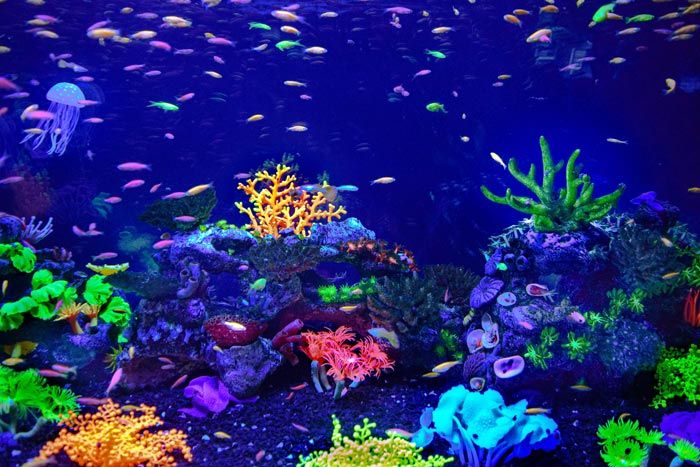
    Aquarium Decorations for Glofish

    I would highly recommend cleaning everything you purchase that is used. Do not use cleaning solutions for anything that goes into your aquarium. I would clean decorations in a bucket with water and either vinegar or hydrogen peroxide. Be sure to give it a thorough rinse with water afterwards. I would also put used substrate into a bucket, add water, churn the substrate, drain the water, and then repeat 3-4 times. This will help get rid of a lot of built up gunk.

    Final Notes

    There are definitely more things out there that can be done to save a few dollars here and there when getting into this hobby. I wanted to name a few that are no-brainers or that can be easily achieved. If this is your first time considering getting into this hobby, do your research and plan before jumping in. It can save you plenty of cash in the long run.

  • 6 Best Aquarium Heaters for Freshwater & Saltwater Fish Tanks

    6 Best Aquarium Heaters for Freshwater & Saltwater Fish Tanks

    Aquarium Heater Summary

    An aquarium heater is used to warm a fish tank to provide ideal conditions for fish, invertebrates, and other animals. Fish tank heaters come in different shapes, sizes, and styles and it can get a little overwhelming deciding which is best for you. From personal experience, I prefer getting heaters that are one size above what is listed on the box. I feel the heater doesn’t work as hard and warms your fish tank faster when it’s a little larger. Regardless of my personal preference, this guide will discuss some of the best aquarium heaters available. After you’re done choosing a heater that works for you, check out some of the Best hang on the back filters available!

    Do you need a heater for a fish tank?

    Before we begin, I want to answer this question because it comes up from time to time. The answer is, it depends. A heater is a nice piece of equipment to have because it helps maintain stable water temperatures. However, you may not need a heater if the temperature of the room your fish tank is kept in sits in the temperature range your fish does best at. If your home’s temperature is 76°F, you will probably be able to get away without keeping a heater for many tropical fish. Make sure the temperature matches the needs of your fish. Also, the only other real exception to the rule is if you’re keeping cold water fish like Goldfish, White Cloud Minnows, etc.

    1. Aqueon Pro Aquarium Heater

    I would like to start this list with the Aqueon Pro Aquarium Heater. It is made with thermal plastics and shatterproof housing. To put it lightly, this heater can take a beating from big fish. I would like to see Tiger Oscars or other large fish try to break this. The Aqueon Pro comes in 5 different sizes (listed below) with varying wattages for different sized aquariums. You can click the following link which will take you to the Aqueon Pro Aquarium Heater purchase page on Amazon.

    • Aqueon Pro 50 – (up to 20 gal.)
    • Aqueon Pro 100 – (up to 40 gal.)
    • Aqueon Pro 150 – (up to 55 gal.)
    • Aqueon Pro 200 – (up to 75 gal.)
    • Aqueon Pro 300 – (up to 100 gal.)

    The Aqueon Pro Heater has a temperature adjuster knob that allows you to change the temperature setting from 68°F to 88°F. You can fully submerge this fish tank heater however, it will stop working if the top of the heater is lower than the bottom when placed horizontally. Lastly, this Pro Heater is great for both fresh and saltwater aquariums.

    2. Fluval M50 Submersible Heater

    Next on our list of fantastic heaters is the Fluval M Series heater. This heater is quite reliable (like many Fluval products). A very cool feature this Fluval heater has is its mirrored finish. This is done on purpose to help your heater blend into the surroundings. The mirrored finish will help hide your heater in your aquarium. Take a look at the different sizes of this filter and choose which is best for you. I included the following link, which will take you to the Fluval M Series purchase page on Amazon.

    • Fluval M50 – (up to 15 gal.)
    • Fluval M100 – (up to 30 gal.)
    • Fluval M150 – (up to 45 gal.)
    • Fluval M200 – (up to 65 gal.)
    • Fluval M300 – (up to 80 gal.)

    Furthermore, this series of submersible heater has a control dial to easily adjust the temperature. Like many other heaters, you can submerge the Fluval M Series heaters. It can also be used for both fresh and saltwater aquariums.

    3. Eheim Jager TruTemp Aquarium Heater

    The Eheim Jager TruTemp Aquarium Heater is a powerhouse! It has one of the largest temperature ranges (65-93° F) when it comes to heaters. This Eheim Heater also has a dry protection control. That means the heater should shut off when it is not submerged. It’s a nice safety measure in case your aquarium ever decides to leak and drain all of its water. This series of heater can warm aquariums from 5 gallons to ~260 gallons. The list is provided below and you can this link will take you to the Eheim Jager TruTemp Aquarium Heater purchase page on Amazon.

    • Jager 25W – (up to 7 gal.)
    • Jager 50W – (up to 16 gal.)
    • Jager 75W – (up to 26 gal.)
    • Jager 100W – (up to 40 gal.)
    • Jager 125W – (up to 53 gal.)
    • Jager 150W – (up to 79 gal.)
    • Jager 200W – (up to 106 gal.)
    • Jager 250W – (up to 159 gal.)
    • Jager 300W – (up to 264 gal.)

    The Eheim Jager Heater can be mounted horizontally with no problems. It also has a control knob so you can easily adjust the temperature. Lastly, the housing of this Eheim Heater is made from shatter-proof glass.

    4. Hygger Titanium Aquarium Heater

    The Hygger Titanium Aquarium Heater is awesome partly because it comes with a separate controller to aid in getting the ideal water temperature. You can fully submerge this heater as well as place it horizontally if needed. It is shatterproof while also being anti-corrosive so it is great for both freshwater and saltwater fish tanks. The Hygger Titanium Heater comes in a range of sizes which are listed below. Click on the following link which will take you to the Hygger Titanium Aquarium Heater purchase page on Amazon.

    • Hygger Titanium 50W – (up to 10 gal.)
    • Hygger Titanium 100W – (up to 25 gal.)
    • Hygger Titanium 200W – (up to 45 gal.)
    • Hygger Titanium 500W – (up to 120 gal.)

    The controller is used to adjust the temperature of the heater. It is a nice feature because you will not have to get your hands wet if you want to adjust your fish tank’s temperature.

    5. Fluval E Series Advanced Electronic Heater

    The Fluval E Series Heater is the tool of the future. If you’re looking for a heater with all the bells and whistles, check this one out. The E Series Heaters use a VUETECH alert system. The VUETECH alert system uses a little screen to alert you when water temperatures are safe, too cool, or too warm. The screen will turn green when all is well, blue when the water temperature is cool, and red when the temperature goes too high. It comes in a variety of sizes and you can click on the following link which will take you to the Fluval E Series purchase page on Amazon.

    • Fluval E50 – (up to 15 gal.)
    • Fluval E100 – (up to 30 gal.)
    • Fluval E200 – (up to 65 gal.)
    • Fluval E300 – (up to 100 gal.)

    That’s not all for this heater. It also has a microprocessor with dual sensors which help to provide very accurate temperature readings. Also, the Fluval E Series Heater has a protective housing to prevent decor, fish, and invertebrates from coming in contact with it.

    6. Aqueon Mini Fish Tank Heater

    Last on our list is a heater you may not expect. I wanted to add the Aqueon Mini Fish Tank Heater onto this list because it is specifically designed to heat nano fish tanks. It is rated for fish tanks up to 5 gallons so it is an excellent choice for desktop aquariums.

    Also, this fish tank heater is incredibly compact and fully submersible. It has a thermal safety shut-off to prevent your aquarium from overheating. It’s a cool little heater and an option for anyone who loves setting up nano aquariums. Click on the following link which will take you to the Aqueon Mini Fish Tank Heater purchase page on Amazon.

    Extra Aquarium Heater Tips

    There are many questions regarding heaters. This next section is devoted to answering some that are commonly asked.

    How do you heat up fish tank water quickly?

    In a normal healthy environment, you do not want to heat fish tank water quickly. You will want to increase water temperatures gradually. However, if for whatever reason you need to heat your water quickly, you can do them in a variety of ways. You can add another heater and adjust the temperature to your needs.

    Consider filling empty water bottles with warm water and placing the bottles into the fish tank. This will slowly release warm water into your tank. Do not pour warm/hot water directly into your fish tank because it can be dangerous for your fish!

    How do I know if my aquarium heater is working?

    To test whether your aquarium heater is working, start by filling a bucket with freshwater. You can either allow the water to sit to reach room temperature or you can start your test right away. Put a aquarium thermometer into the bucket and record the temperature. After the temperature is recorded place the heater you want to test into the bucket and see if it warms the water. I would recommend adjusting the heater’s dial to 80~ ° F to guarantee it warms passed room temperature.

    How to keep a fish tank warm without a heater?

    Long term, you can’t keep your fish tank warm without a heater unless you keep your house at the appropriate temperature. However, if your house temporarily lost electricity, there are ways to slow down your aquarium from cooling.

    1. Wrap and cover your fish tank with towels for insulation
    2. If possible, fill bottles with warm water and place bottles in fish tank
    3. Remove some cool water and replace with warmer water
    4. Purchase a gas powered generator to use during outage

    There are probably other ways to heat your fish tank without power but there are the first that come to mind.

    Final Notes

    Aquarium Heaters are an incredibly important piece of equipment for most freshwater and saltwater fish tanks. Without them, it would be nearly impossible to keep many of the fish we enjoy. I hope this list of fish tank heaters gives you an idea of the many options available and allows you to choose which is best for you.

  • How to Check For and Remove Electric Current in a Fish Tank

    How to Check For and Remove Electric Current in a Fish Tank

    Electricity & Aquariums

    Electricity and water do not mix very well, especially when dealing with human and animal safety. Unfortunately, the equipment we use is not always perfect and can be faulty out of the box or become faulty overtime. If you have ever put your hand in your fish tank and gotten a tingling sensation, you most likely have stray voltage in your aquarium. This article will go over how to check, remove and prevent stray voltage from entering your fish tank.

    How to Check for Electric Current in Fish Tank

    The first thing we must do is to verify whether there is stray voltage in the fish tank. More than likely, it’s probably stray voltage if you get a tingling sensation when you put your hand in your fish tank. However, we can find out by using a multimeter. You may have one lying around or can purchase one, such as the AstroAI Digital Multimeter from Amazon. This multimeter can be used for your aquarium but it has plenty of other uses around the household. Once you set this equipment up, put one probe into your fish tank and the other into the round hole of an outlet. If you see numbers increase on the digital display, you have stray voltage in your aquarium and we will have to take steps to remove it.

    Before we continue, remember we are dealing with electricity, which can be incredibly dangerous. I would recommend asking for help from a professional electrician. Removing stray voltage from an aquarium is important but it’s not worth risking your life if you try it without experience.

    Removing Stray Voltage from Your Fish Tank

    You have an electric current in your fish tank, what now? I would first recommend turning off each electrical component one by one in your aquatic system. I would start with checking whether your heater and/or UV sterilizer are releasing electrical currents into your aquarium. Next, I would go with filtration system, circulation pumps, etc. Hopefully, it’s only one piece of equipment causing trouble but there can also be more! Once you discover what is causing the stray voltage, it is important to remove it (when possible) and replace it with a new one.

    Lowering Chances of Acquiring Voltage Leaks

    Although any piece of equipment can become faulty and cause voltage leaks into a fish tank, we can do a few things to combat that from happening. First, I would recommend purchasing equipment from reputable sources. Dive deep into any equipment reviews before purchasing to see what problems they have. Second, be cautious about purchasing equipment secondhand. There may be a reason aquarium equipment is being given away or sitting on the side of the road. Be sure to test used equipment before adding them to your fish tank. Lastly, use the equipment for what they’re rated for. This recommendation is really important for heaters. You do not want your heater to be smaller than what is recommended. It will cause your heater to overwork itself which may cause the equipment to malfunction sooner than later.

    Aquarium Grounding Probes

    When I first experienced stray voltage in my aquarium, I began researching ways to “combat” it. I found aquarium grounding probes, such as the TAAM Titanium Grounding Probe. This grounding probe is safe for both freshwater and saltwater aquariums. You must insert the probe into your aquarium and the other side into a wall outlet. It’s really easy to use and adds a bit of protection from stray voltage.

    Is the Aquarium Grounding Probe Good or Bad

    An aquarium grounding probe is a tool that removes harmful voltage that’s released into the aquarium. This is great at keeping us and our aquarium inhabitants safe. A grounding probe is a great tool and I use it in my fish tanks as an extra bit of protection from electrical currents. The only downside I can think of is that this probe prevents you from discovering faulty equipment that may be releasing electricity into the water. Regardless, I rather have this probe in the aquarium instead of getting shocked by stray voltage.

    Final Notes

    Electrical components in an aquarium are not the best combination. Luckily, there are ways to remove and prevent future stray voltage from occurring in a fish tank. This is something not talked about often in this hobby. It’s a topic I like to bring up because keeping yourself and your pets safe is very important to me. If your heater is faulty and needs replacing, take a look at 6 Heaters for Freshwater & Saltwater Aquariums to get an idea of the options out there.

  • 7 Best Hang On the Back Power Filters for Freshwater Aquariums

    7 Best Hang On the Back Power Filters for Freshwater Aquariums

    Power Filter Summary

    The hang on the back aquarium filter is probably one of the most commonly used filtration systems for freshwater aquariums. It is also used from time to time in nano saltwater fish tanks. This filtration system is easy to set up and as a bonus easy to maintain. They also provide most of what you need to keep your fish tank clean. There are many different hang on the back (HOB) filtration systems and each one excels something a little different. This article will discuss some of the best hang-on-the-back filters that can be used in this hobby! The filters are not listed in any particular order but I will discuss the features of some so you can choose which is best for you.

    1. Aquaclear Power Filter

    The Aquaclear Power Filter is a great filtration system for freshwater aquariums. It is very easy to maintain because it has a tray that holds all of the filter media. This tray also allows you to add biological, mechanical, and chemical filtration or you can customize it to your specific needs. You’re able to add or mix and match Aquaclear Activated Carbon, Aquaclear Foam Inserts, Aquaclear Biomax, and more! There are many different Aquaclear Power Filter sizes:

    If I plan on setting up larger aquariums I begin considering setting up canister filters or sump systems instead of hang on back filters. Large fish tanks will most likely have more stock or larger fish so they will require a larger filtration system. Hang on the back filters are perfect for smaller to mid-sized aquariums. This is just personal preference. Do what works best for you.

    2. Tetra Whisper Power Filter

    If you’re not looking for as much customization as the Aquaclear has, take a look at the Tetra Whisper Power Filters. This filter system is fairly simple. It still gives you the option to utilize mechanical, biological and chemical filtering, but it is simplified. The Tetra Whisper has a bio-bag (mechanical filtering) and you can fill the bio-bag with activated carbon (chemical filtering). Bio-foam should also be provided to create biological filtering as well. Filter setup and maintenance is easy. Filter media simply slides into slots. Each filter requires a different-sized Bio-Bag. There are 3 different sizes: small, medium, and large. Be sure to match the bio-bag to the filter you have. The Tetra Whisper comes in a few different sizes:

    Most of the Tetra Whisper Power Filters have flow-adjusting knobs however, the PF10 does not. I know that many users of this product are about adjusting the flow so I wanted to put it out there.

    3. Aqueon Quiet Flow LED PRO Power Filter

    Aqueon QuietFlow LED PRO Power Filter is a well-made hang on the back filter that does what it is made to do. Like the Tetra Whisper, the Aqueon QuietFlow HOB filters come with cartridges that can be replaced when needed. The nice and unique thing about the Aqueon hang on the back filter is its LED filter cartridge change indicator. The light will flash when the cartridge needs changing. It’s a unique feature that can help many of us who are forgetful and don’t always remember to change cartridges. There are many different sizes for this filter, they are:

    QuietFlow 10 Filters require Small cartridges, the QuietFlow 20, 30, and 50 require medium, and the QuietFlow 90 requires 2 large cartridges. The filter will still provide mechanical, biological, and chemical filtration for your aquarium, which is great. The cartridge filled with carbon provides both chemical and mechanical filtration. Also, Aqueon’s HOB filters have Bioholsters that provide biological filtration. It’s not recommended to clean this when changing cartridges because the bioholster holds a lot of beneficial bacteria.

    4. Marineland Penguin BIO-Wheel

    The Marineland Penguin Power Filter is a unique filtration system because its biological filtering is done using a BIO-Wheel. Like the Tetra and Aqueon brands, the Marineland Penguin Power Filters also use cartridges filled with activated carbon to filter the aquarium chemically and mechanically. Like all the other power filters in this article, the Marineland Power Filters come in varying sizes for different aquarium needs, they are:

    The Marineland Penguin BIO-Wheel Power Filters have different-sized cartridges. Be sure to keep your box around or keep track of your filter’s size. The Penguin 75 and 100 use A-sized cartridges, Penguin 150 uses B-sized cartridges, and the Penguin 200 and 300 use C-sized cartridges.

    5. Fluval C Series Clip-On Filter

    The Fluval C Series Power Filter is interesting. This HOB filter has different compartments for chemical, mechanical, and biological filtration. Each compartment can be individually removed to clean or swap out. This filter also has a pop-up cleaning indicator that tells you when your foam pads need replacing! It’s a well-loaded filter and may not be as commonly found as many others. It comes in varying sizes, they are:

    This filter is more complex than many of the others. If you enjoy tinkering, and having control of individual compartments, check out the Fluval C Series Clip-on filters. Unless you’re well versed in DIY, Fluval makes filter media specifically for the C Series filters which will make your life easier.

    6. Aquatop UV Power Filter

    I couldn’t help but include the Aquatop UV power filter in this list. Mainly because, as the name states, this filter has a UV Sterilizer built into it. This may be useful for fish keepers who keep their fish tanks closer to windows which may create a bloom of algae in the water, giving the water a green tint. This filter will also come loaded to provide mechanical and chemical filtration as well as a self-adjusting surface skimmer. There are a few different models for different-sized aquariums, they are:

    • PF15-UV – (rated up to 15 gallons)
    • PF25-UV – (rated up to 25 gallons)
    • PF40-UV – (rated up to 40 gallons)

    It’s unique to see UV Sterilization built into a hang on back filter. You may see it in a canister filter or as a stand-alone piece of equipment but it’s new to see on a HOB. If you’re interested in this sort of equipment, definitely consider checking out this power filter.

    7. Seachem Tidal Power Filter

    The Seachem Tidal Power Filter is a sleek-looking filtration system with some very cool features. The first that caught my eye off the bat is the Heater holder! Unfortunately, it is not included with the Tidal 35 units, but the larger units have this option. I would not put a heater into a hang-on-the-back filter, but it’s nice to have the option to attach it to the side of it. The Seachem Tidal Power Filters also have a self-priming pump, surface skimmer, dual water intakes, and a few other features. It is a nice-looking filter that comes in a few different sizes, which are:

    This filter has a lot of features from other HOB filter systems and combines them into one to create a pretty solid piece of equipment. If you’re interested in a filter system with a lot of different features, check out the Seachem Tidal Power Filter line!

    Final Notes

    There are many unique HOB filters available to purchase. There isn’t a single best hang on the back power filter, it is all personal preference. I wanted to share a variety of them with many different features to see which will work best for you. Whether you prefer simplicity or customizations, there is a filter for you. If you’re working with nano fish tanks and want a different filtration system, check out this guide on How To Use and work With Sponge Filters!

  • 9 Best Bottom Feeder Fish for Freshwater Aquariums

    9 Best Bottom Feeder Fish for Freshwater Aquariums

    A Brief Summary of Bottom Dwellers

    Bottom Feeders are the backbone of a lot of aquariums. These fish are the janitors or part of the cleanup crew in your fish tank. There are many different kinds of species of bottom dwelling fish. They all come in different shapes, sizes and nuances. This article will discuss some of the best bottom dwelling fish for freshwater aquariums. The fish here will vary in species, aggression, colorations and more.

    1. Cory Catfish

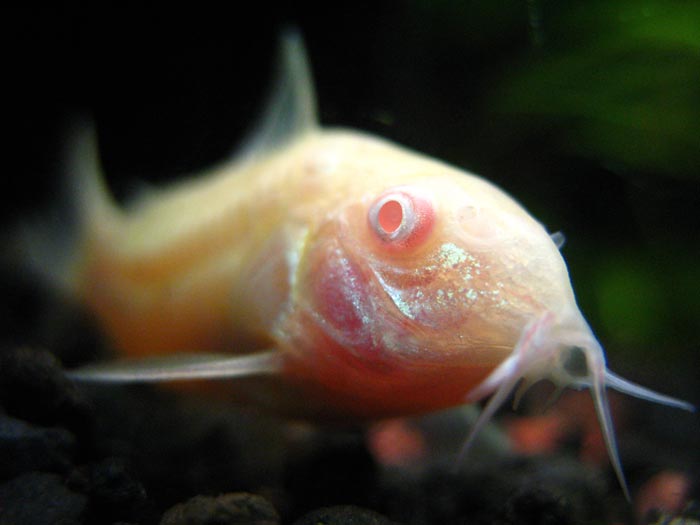
    You can’t start a bottom dweller list without Cory Catfish. I lumped them all together because (in my opinion) all Cory Cats are great. These beautiful shoaling fish are excellent bottom feeders. They love sitting at the bottom of the substrate, waiting for food or they’ll swim around scavenging. They’re fun fish with amazing personalities and are incredibly friendly so they’re perfect for community fish tanks. There are two species of Cory that I will highlight because of unique characteristics they possess.

    Pygmy Cory

    The first Cory Catfish I wanted to highlight is the Pygmy Cory. The unique characteristic this fish has is in the name. The Pygmy Cory is a small fish and it remains fairly small its whole life. You will likely never see see one larger than 1.5 inches (~3.2 cm). Because of it’s max size being so small, this fish is excellent for fish tanks that are 10 gallons or larger. A fish tank this large will allow you to create a shoal that is at least 6 corys strong. Larger shoals are always better so the more corys you can keep the happier they will be.

    Emerald Green Cory

    The Emerald Green Cory is the second fish I would like to highlight. This fish’s unique characteristic is its coloration. There are green fish available purchase but it’s not as common as blue, red and silver colorations. The Emerald Cory’s green color is vibrant and very well looks like an emerald! Unlike the Pygmy Cory Catfish, the Emerald Green Cory grows to have a max size of 3.5 inches. They require at least 30 gallons of water to be happy. Similarly to other Cory Cats, this species of fish requires to be in a shoal of at least 6 fish to be happy.

    2. Bristlenose Pleco

    bristlenose pleco
    Image by JanRehschuh on wikiMedia

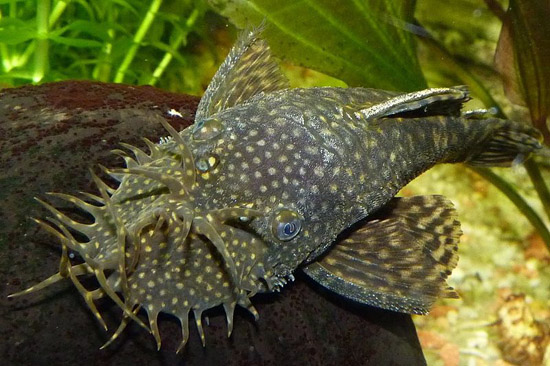
    The Bristlenose Pleco, sometimes called the Bushy Nose Pleco, is a fantastic fish to add to fish tanks that are 30 gallons or larger. The Bristlenose Pleco is a fantastic algae eater which does not get incredibly large. It will grow to be roughly 6 inches in size but does a great job eating algae at every stage of life. If this pleco runs out of algae to eat, you will have to supplement it with algae wafers or other foods. The Bushy Nose Plecostomus has a unique feature to it. The males of this species grow a face full of whiskers. On the other hand, the females grow much smaller whiskers. It’s a unique but incredibly cool feature of this fish. You can find different variants of Bristlenose Pleco for sale in stores and online. You can find them in regular, albino, red and other varieties.

    3. Kuhli Loach

    The Kuhli Loach is a long “noodle like” fish that is very popular in the hobby. This fish species spends a lot of its time scavenging for food along substrate and is an excellent bottom feeder. A Kuhli Loach’s max size will be around 4-5 inches. This makes it perfect for aquariums that are 20 gallons or larger. They love to burrow so having sand in the aquarium is incredibly beneficial for them. Overall, they are a very peaceful fish and does well with other community fish like tetras, rasboras, and other fish. They can get territorial with other Kuhli Loaches so I would recommend adding 5 extra gallons of water for each additional loach.

    If you’re looking to remove pest snails, you will have to look at other loaches. Unlike other loach species, you will rarely see a Kuhli Loach eat snails. However, it is possible for these loaches to eat smaller species of shrimp. If you really want to keep shrimp with this loach, Amano Shrimp and other larger shrimp have a better chance of survival. If you’re looking for ways to remove pest snails, check out this guide, which shows different methods of controlling and removing nuisance snails.

    4. Clown Loach

    Clown Loaches are a fantastic bottom feeder, if you have the room to house it! Although it is a very slow grower, the Clown Loach size maxes at 1 foot! They require at least a 100 gallon fish tank once they are fully grown. If you can house one, I highly recommend it. They have very cool colorations and interesting personalities. This fish species will spend quite a bit of time foraging for leftover food and invertebrates in a fish tank. That’s right, the Clown Loach is an excellent invertebrate hunter. There is no snail or shrimp that is safe from this fish! If you have an infestation of snails, consider getting a Clown Loach or for smaller tanks, get a Yoyo Loach which is further down this list!

    5. Otocinclus

    Ottocinclus on driftwood

    Otocinclus are incredible bottom feeders that are an excellent addition to nano fish tanks. They do great in fish tanks that are 10 gallons or larger. Ottos love being in groups. I would keep a minimum of 6 in a fish tank but more is always recommended. Otocinclus eat brown algae as well as green algae. They’re fantastic fish to own and having a group of them adds a liveliness into the fish tank. The one drawback to this fish is that they can be very sensitive. They’re not known to be hardy fish and even in established fish tanks sometimes struggle. With that in mind, be cautious when adding Ottos into your fish tank.

    6. Yoyo Loach

    If you need a pest snail hunting fish, Yoyo Loaches might be what you’re looking for. This fish is an excellent invertebrate hunter and will take down snails and shrimp. Keep that in mind if you have snails and shrimp you want to keep in the tank. With their very interesting colorations and pattern work, a Yoyo Loach should be kept in fish tanks that are 30 gallon or larger. They will spend their days hunting inverts and consuming whatever food makes its way down to the substrate.

    7. Redtail Shark

    red tail shark swimming
    Image by Astellar87 on wikimedia

    Knowing that Redtail Sharks aren’t always the kindest fish in the fish tank, you have to admit that their colorations are beautiful! A lot of people miss out on keeping Redtails because of their temperament, which is understandable. This fish can take over the fish tank and pick on everything inside. If you’re lucky, they can be incredibly peaceful and keep to themselves. Redtail Sharks will definitely be more aggressive towards bottom dwelling fish. I would not recommend keeping them with Cory cats, Plecos, and most other bottom feeders. This fish can potentially pick on other fish even outside of their territory. Be vigilant when keeping Redtails.

    Redtail Sharks get to be 4 inches in length. This might not seem very big but their aggression can make up for it. If you are thinking of keeping this fish, I would suggest housing it in aquariums 55 gallons or larger. Also, provide it with plenty of plants, hiding places of varying sizes and other nooks and crannies it can hide in. Providing all of this may help in keeping the Redtail Shark’s aggression down a bit. You can find Redtail Sharks for sale at most pet stores and online!

    8. Clown Pleco

    The Clown Pleco is a unique species of bottom feeder. Along with algae and leftover food, much of the fish’s diet is driftwood! It’s a unique quirk, and you may even hear it munching on wood from outside the aquarium. A Clown Plecos size maxes at around 4 inches. It is great for fish tanks that are 20 gallons or larger. Some hobbyists do not keep Clown Plecos because of the amount of waste they produce due to their unique diet. If you’re interested in learning more about this fish, check out the Clown Pleco Complete Care Guide!

    9. Hillstream Loach

    I had to add the Hillstream Loach also known as the Reticulated Hillstream Loach into this list. Not as much for it’s ability to be an excellent bottom feeder but because its overall appearance. The Hillstream Loach has a very flat body which helps it stay put in fast flowing waters. In the wild it lives in fast moving, highly oxygenated and cooler waters. Your aquarium should mimic the appearance of a river, with strong filtration and possibly a powerhead/circulation pump to provide fast currents for this fish. Hillstream Loach care might limit what can be mixed with it. Regardless, this is a very fascinating and rewarding fish to keep in a fish tank!

    Final Notes

    There are many other bottom feeders that will do very well in a fish tank. I wanted to name off some of the best and unique that I have come across. If you have bottom dwelling fish that you love, let me know! I am always happy to learn more and spread the information along.

  • How to Get Rid of Pest Snails from Fish Tanks

    How to Get Rid of Pest Snails from Fish Tanks

    Pest Snail Overview

    Fish tanks, especially planted aquariums can be overrun with pest snails. These little invertebrates may hitchhike into your aquarium on plants or other aquatic decor purchased at a fish store. If caution isn’t taken, these little nuisances can take over your tank which can become a headache. There are ways to help prevent your aquarium from being invaded by nuisance snails and there are ways to help control pest snails once they enter your aquarium.

    Help Prevent Nuisance Snail Invasions

    As stated above, these little invaders may hitchhike into your aquarium from plants purchased at pet stores. Often, the snail itself will not be hanging onto the plant but its eggs will. The eggs are hard to see because they are almost clear. Before placing plants into your fish tank visually inspect each plant. Check the leaves and stems for snails and eggs. I also recommend running your fingers through each of your plant’s stems to feel for nuisance snail eggs. They will most likely be wet and squishy. This is not always successful but it’s a measure you can take to help remove pest snails.

    Bleaching Plants

    If you’re still paranoid of bringing snails into your fish tank, bleaching your plants is something that can be done before adding plants into your fish tank. If you know the fish store you purchased your plants from has pest snails, you can remove snails and by using a watered down bleach solution. I recommend using a ratio of 3/4 cups of bleach to a gallon of water. Mix the solution in a bucket to evenly disperse the bleach and then place your new plants in the solution for 2-3 minutes. Remove the plants from the solution and rinse them under running water for about 5 minutes. This should help eradicate baby pest snails and adult snails. Most treatments will not kill off eggs though!

    It is harsh on plants and I would be weary of trying this method on more delicate plants. Hardy plants like Anubias and Java Fern will be more tolerable of a diluted bleach solution compared to less hardy plants like Madagascar Lace. This solution can kill a plant so assess the risk before conducting it.

    How to Control Pest Snails in Aquarium

    Freshwater aquarium pest snails can be easily missed and can make their way into your fish tank. If snails are already in your fish tank, there are measures you can take to help lower the population but also remove them completely. Not every method will work but using a combination of each can help remove these invaders.

    Population Control Pest Snails

    The first step that should be taken, in my opinion, is to attempt controlling the population of snails that are in your fish tank. Controlling the population will not guarantee the removal of snails but it will slow down the invasion. One way to control the population is to physically remove the snails. Get down and dirty and pluck the little inverts with tongs or your hands. I personally use the tongs from an aquarium planting kit like this one from Amazon. It helps keep my hands out of the water and I can often get into the nooks and crannies my hands can’t normally fit into.

    Trap & Remove

    The second method I would use to help control the population is to “trap” and remove snails that you cannot find or see. Something as simple as a piece of lettuce on a fish feeding clip will attract nuisance snails. Set the trap up at night before bed, leave it there throughout the night. Check on it in the morning and you should have plenty of little snails munching on lettuce. Once a bunch are on there, take out the lettuce, remove the snails and rise and repeat the process. Please do not flush nuisance snails down the toilet. If they are not native to our waterways they can invade our streams, rivers and lakes!

    Cut Down on Feeding

    Part of our excitement in keeping fish is feeding the animals you owns. Many times and without knowing, we overfeed our pets. This is just perfect for pest snails. They will utilize the leftover food and this can be part of the reason their populations explode. Cut down on feeding and see how the snail’s populations react. It won’t change overnight, but this can assist in lowering the snail population in your aquarium.

    How To Kill Pest Snails in Fish Tanks

    There are many different ways we can kill pest snails in a fish tank. Snails are on the bottom of the food chain so there are plenty of aquatic animals that will eat them. You can also kill them chemically (not my preference). We have options to work with and I will go and discuss some methods we can take.

    Assassin Snails

    Assassin Snails are a species of snails that assassinate other snails. They have little stinger that they use to paralyze snails and possibly other small animals. It’s not as common for them to go after shrimp and larger snails but there is always a small risk. If there are small snails in the tank, they will most likely focus on them. You may need more than one Assassin Snail if your fish tank is completely overrun with nuisance snails. They’re not very big themselves but should get straight to work once introduced into an aquarium. These snails are an excellent choice for Nano fish tanks that can’t house snail eating fish due to capacity limitations.

    Loaches

    Loaches are excellent snail eaters. However, there are many different loach species, and they all have different aquarium requirements. It’s important to research information on anything before adding it into your fish tank. Regardless, this fish can and will decimate snail populations. Clown Loaches and Yo-Yo Loaches always come to mind when I think of snail hunters. Clown Loaches grow slowly but will outgrow small aquariums and the YoYo Loach is excellent for aquariums 20 gallons or larger. As a warning, most snail and shrimp can become a snack for loaches. Loaches can really clean up a fish tank with snails.

    Puffer Fish

    Freshwater Puffer Fish are not very practical for many aquariums. They are often times very territorial and will nip on most fish. However, if you have an empty fish tank infested with snails, consider getting Puffer Fish. There are many different species to choose from. The smallest and probably the most practical to keep is the Pea Puffer. They will grow no larger than 1.5 inches but are mean and these little fish can devastate snail populations. If you are looking into get one, know that they are aggressive amongst themselves so I personally would only keep 1 in 10 gallons.

    Chemical Removal

    My last resort to remove nuisance snails is through the use of chemicals. Just like with other fish tank ailments like algae problems, I stray away from using chemicals unless it is the last option. However, if you’re snail infestation has gone off the deep end, consider using chemicals to help eradicate them. I am not talking about bleach or hydrogen peroxide. There are chemicals that are “relatively” safe for aquarium use. Copper is often used to treat sick fish and also remove nuisance snails. Cupramine by Seachem is one that comes to mind. Be sure to also purchase the Seachem Copper Test Kit to monitor how much copper is in your fish tank if you choose to go this route.

    Invertebrates are incredibly sensitive to copper so make sure any inverts you want alive are removed before dosing. Also, copper can be harsh on your system as a whole. Do your best to not overdose because that can end up being lethal to fish as well. This dosing can cause quick die off of nuisance snails. Remember to remove the dead/dying snails. They can quickly make your water parameters suffer if not kept in check. Lastly, the copper can linger in your aquarium even after a few water changes. Keep track of the copper levels before reintroducing invertebrates into your fish tank.

    Final Notes

    Freshwater Pest Snails are relatively not bad for an aquarium. They are beneficial because like many other snails, they act as a clean up crew to remove food and algae. However, they can really become a nuisance if not kept under control. I highly recommend trying to naturally remove nuisance snails before moving on to more dangerous control methods. It’s better to remove the source of the problem rather than putting a Band-Aid over it.

  • 9 Unique Terrestrial, Semi-Terrestrial, Brackish & Freshwater Crabs

    9 Unique Terrestrial, Semi-Terrestrial, Brackish & Freshwater Crabs

    Vastness of Crab Species

    There are vast amounts of freshwater crabs available for sale in the aquarium keeping hobby. Crabs can be found all over the world and each crab has different requirements to keep it happy and healthy. Keeping freshwater crabs in a glass enclosure at home is growing in popularity but it’s important to know what habitat they require. Crabs fall into many different categories and this article will discuss freshwater crabs that are either aquatic, semi-terrestrial or completely terrestrial.

    1. Freshwater Pom Pom Crab

    The Freshwater Pom Pom Crab are relatively small crabs that are fantastic scavengers. They’re unique and great for aquariums because they’re one of few species of crab that are fully aquatic. These crabs do not require any land in there enclosure! Do not mistaken freshwater and saltwater Pom Pom Crabs. They are two different crabs that go by the same common name. I personally have not seen these in stores but you can find Freshwater Pom Pom Crabs for sale online at many different sources.

    Pom Pom Crab Habitat & Enclosure

    The Freshwater Pom Pom Crab will do great in planted aquariums and will spend most of its day scavenging for food. This species of crab stays smaller than 2″ in length so will do great in aquariums 5 gallons or larger. Beware, because there is a possibility of this crab to try and hunt dwarf shrimp. Also, because of their incredibly small size, they may become a meal for other fish. They are best kept with smaller fish like tetras, rasboras, guppies, and other small fish.

    2. Panther Crab

    Panther Crabs are another species of crab that are technically fully aquatic. They can be seen climbing out of the water from time to time but they do not necessarily need it. These crabs are primarily orange with black spots all over. It’s a unique color pattern but a very wonderful one! They are great additions to freshwater aquariums but prefer higher temperatures (78-86F) and pH levels (7.8-8.4) to keep them happy. I have not seen Panther Crabs for sale at stores and are also uncommon online. With a little digging you are sure to find a supplier.

    Panther Crab Habitat & Enclosure

    This species of crab should be kept in aquariums that are 10 gallons or larger. You should be able to keep roughly 5 in a fish tank this size. It is recommended to provide this crab with plenty of places to hide. I would advise to use a variation of wood and rocks to create caves and crevices for this crab to hide in when stressed. Once again, Panther Crabs are fully aquatic. They could use land but it is not a requirement.

    3. Vampire Crab

    Vampire Crab in Paludarium

    Vampire Crabs are an incredibly popular species of crab that are continuing to gain traction in this hobby. They are commonly seen with black, purple and yellow colorations but come in many other varying morphs. They’re a species of crab that spends a lot of time on land but can often be seen in water. You can usually find Vampire Crabs for sale online but not very often in store. Check out the Complete Care Guide to keeping Vampire Crabs for more information.

    Vampire Crab Habitat & Enclosure

    Like stated above, Vampire Crabs are not a fully aquatic species of crab. They need roughly 70% land and 30% water to be happy. They use the land portion to burrow and hide as well as to graze and feed on plant matter and whatever you feed it. They will often go in water to graze on algae and potentially hunt fish, shrimp and other smaller critters it can grab. This species of crab needs only freshwater and not brackish water which makes keeping it a little easier. In my opinion you will rarely find Vampire Crabs for sale at pet stores so you may have to search online for these beautiful invertebrates.

    The Vampire Crab is a social crab and enjoys being with others of the same species. I would not keep them in paludariums smaller than 10 gallons and I would only keep 1 male and 3 females in an enclosure that small. You will need a larger fish tank to keep more males and to help prevent aggression.

    4. Red Devil Crab

    red devil crab

    Red Devil Crabs are very similar to Vampire Crabs in regards to fish tank setup, size and land to water ratios. However, I would not recommend keeping two different species of crabs together because you may see quite a bit of aggression between them. Just like the Vampire Crab, Red Devil Crabs are very social animals and I would recommend keeping 1 male and 3 females in a 10 gallon enclosure. If you’re interested in more information on Red Devil Crabs, check out their complete care guide! In my opinion, you can find Red Devil Crabs for sale more commonly than Vampire Crabs. They are often found online and every so often will pop up in pet stores.

    5. Halloween Moon Crab

    The Halloween Moon Crab is a large and unique species of crab that can be purchased in this hobby. They are often shades of orange, purple and white/yellow. The top of the Halloween Moon Crabs shell has to dots that resemble eyes. It gives the crab a very unique look. They are some of the larger crab species you can keep. Take a look at the complete care guide of the Halloween Moon Crab if it interests you! You may (rarely) find Halloween Crabs for sale at niche pet stores otherwise the best place to find them is online.

    Halloween Moon Crab Habitat & Enclosure

    Halloween Crabs are fully terrestrial crabs. They only require enough water to dip their gills in but it’s also important to provide both clean freshwater and marine saltwater. This species of crab loves to burrow. In the wild they dig down up to few feet deep. Providing as much substrate to burrow into is important for Halloween Moon Crabs. I recommend at least 6 inches of substrate.

    6. Thai Micro Crab

    Thai Micro Crabs are a species of crab that are small and stay small! They should not get larger than half an inch! They are also fully aquatic crabs and will do very well in peaceful freshwater aquariums with small fish. You will have a hard time finding the Thai Micro Crab for sale in stores and even online. They are still fairly new and hard to come by. Regardless, if you can find them consider picking them up!

    7. Freshwater Hermit Crab

    Freshwater Hermit Crabs are one of the most common crabs that are kept in this hobby. They are often purchased as an easy to care for animal for younger kids dipping their toes into animal care. However, adult supervision is always a must when allowing kids to have pets. Also, just because they are fairly easy to care for, they still have requirements that need to be fulfilled. Freshwater Hermit Crabs are social but may fight for shells as they grow. As keepers you should be provided with varying shells of different sizes so the crab can choose the best one.

    Freshwater Hermit Crab Habitat & Enclosure

    Freshwater Hermit Crabs are actually terrestrial and only need small amounts of water to keep hydrated. I would provide a dish of clean freshwater and a dish filled with marine salt so the crab can enter and soak itself. Additional misting is highly recommended. A variety of food is helpful for this crab species as well. Good substrate like sand or coco fiber will allow for this crab to burrow when needed. Also, it is important to provide “caves” for this crab to hide in when stressed. This is not really an animal that should be handled often. They should spend most of their time on their own.

    8. Fiddler Crab

    fiddler crab male

    Fiddler Crabs are a gorgeous species of crab that can be kept as a pet. The males of this species normally have one very large claw and one small one. They perform unique dances when mating which is exciting to see. Fiddler Crabs should be kept in small groups with usually one male and multiple females. You can often times find Fiddler Crabs for sale at niche pet shops. From personal experience, I rarely found them in chain stores like Petco or Petsmart. They are also commonly found for sale online! They’re on the cheaper end for pet crabs. If you’re interested in keeping Fiddler Crabs, check out this complete care guide that will provide just about all the information you need to keep these invertebrates.

    Fiddler Crab Habitat and Enclosure

    Fiddler Crabs are not fully aquatic crabs. Although they spend most of their time in the water they do require dry land to burrow. In the wild they are often found in brackish water marshes and shorelines. Replicating this habitat is ideal. I would recommend providing a pet safe soil and/or sand substrate for your Fiddler Crabs. This will allow them to burrow like they would in the wild. Also, Fiddler Crabs require brackish water, so a little marine salt is needed to keep this crustacean happy! Do not use table salt to create brackish water conditions. The two salts are not the same!

    Fiddler Crabs should not be kept in anything smaller than 10 gallons. This will allow you to keep one male and 3-4 females. They’re not incredibly hard to keep but need things like brackish water and some land for burrowing to keep happy.

    9. Red Apple Crab

    The Red Apple Crab is a semi-terrestrial species of crab that spends most of its days scavenging for decaying leaf litter. These crabs spend most of their time on land but will occasionally enter the water to potentially graze on algae and search for other food items. It is important to provide supplemental food for the Red Apple Crab such as invertebrate pellet food, crickets and more. Although not very common you should be able to find Red Apple Crabs for sale online. I have rarely seen them in stores.

    Red Apple Crab Habitat & Enclosure

    This species of crab is social, so keeping 1 male and 2 females in a 10 gallon fish tank should be fine. Like most other crabs providing high humidity and lots of leaf litter to hide under is beneficial! This crab should be provided anywhere between 70-90% land and only 30-10% water in its enclosure. It does not require much at all! They’re a vibrantly red crab and I highly consider checking them out!

    Final Notes

    Crabs are a very unique and growing niche in this pet keeping world. They have very unique personalities and have very interesting shapes, movements and colorations. If you love animals that are more passive and may be seen from time to time, consider keeping crabs for pets! Beware, because most crabs are excellent climbers and escape artists. Make sure whatever enclosure you keep them in have a tightly fitted lid!

  • Sponge Filter Use, Cleaning and Extra Tips

    Sponge Filter Use, Cleaning and Extra Tips

    Sponge Filter Use Summary

    Sponge filters are one of the many different types of filtration systems used in aquariums. They are often used for breeding fish tanks, oddly shaped aquariums that cannot use other filters, low tech tanks, hospital/quarantine tanks and much more. They’re a great filter system with just a few limitations. They will take up space in the fish tank, so you will need to consider where you want to place your sponge filter. Also, the sponge filter provides mechanical and biological filtration for your aquarium. Overall, this filter type is great to use but if you’re looking for more customizable filters check out hang on the back filters, canister filters, and/or sump systems.

    An aquarium sponge filter is more commonly used in freshwater but it can also be used as a supplemental form of water movement in smaller saltwater fish tanks. They are often used as living spaces for beneficial bacteria and are fairly cheap and easy to maintain. This article will discuss how a sponge filter works in a fish tank, cleaning, and it will recommend sponge filters for different fish tanks.

    How Does a Sponge Filter Work in a Fish Tank?

    A sponge filter for a fish tank will consist of an air pump, airline tubing, and sponge as a filter. The air pump is connected to the sponge through tubing. Air flows from the pump, through the tube, and up through the center of the sponge. This causes water to flow through the sponge which traps debris, food, and fish waste. The air floats up to the top of the aquarium and breaks the surface of the water which provides oxygen for the fish tank.

    Sponge Filter Use Advice

    There are a few things I will cover which may be redundant for more experienced aquarium keepers but beneficial for newcomers. Certain air pumps will come with check valves. These valves prevent water from coming back through the tube and into the air pump. If your pump does not come included with this, I highly recommend purchasing one. You can follow this link to purchase a check valve off Amazon. It’s a good safety feature. Also, the air pump does NOT belong on the water. It stays on the outside of the fish tank. The tube and sponge are the only things that should touch water. Also, be mindful of the different size pumps because many are rated for different sized aquariums. Air pumps almost always must be purchased separately from the sponge. Adjustable air pumps, like this one from Amazon, are some of my favorite to use because you can change the flow that goes through the tube.

    How to Clean a Filter Sponge in Fish Tank

    Cleaning a fish tank filter sponge is fairly simple but not everyone does it correctly. A lot of people will take it to the sink and rinse the sponge thoroughly with tap water. This is something I do not recommend because it will strip the sponge of all the built up beneficial bacteria living within. The best and probably easiest way to clean an aquarium sponge filter is to kill two birds with one stone and clean it during your water changes.

    Water changes require you to remove water from your fish tank. We normally take the water out and drain it into a bucket. Once the water is in the bucket, use that to clean the sponge filter. All you have to do is disconnect the sponge from the airline tubing, put it in the bucket water, squeeze it a few times, and shake it around to remove debris that may be built up in there. Once that is completed, reconnect the sponge to the airline tubing and place it back into your fish tank. This will prevent losing all of your beneficial bacteria but still does a good job of removing debris from the sponge.

    Aquarium Sponge Filter Sizes

    Sponge filters and air pumps come in different sizes, shapes and styles. The table below has provides information on different sized sponge filters, air pumps and tubing (if needed). Different sponges and air pump brands can be purchased and used but this is a general list of each you can use. There are also accessories that may not come included with your sponge filter kit. As stated above, check valves are highly recommended. If you’re using your air pump to simply provide water movement and oxygenation, you can use an air stone instead of a sponge.

    10 Gallon Fish Tank Sponge10 Gallon Air PumpAirline Tubing (if needed)
    20 Gallon Fish Tank Sponge 20 Gallon Air Pump Airline Tubing (if needed)
    30 Gallon Fish Tank Sponge 30 Gallon Air Pump Airline Tubing (if needed)
    40 Gallon Fish Tank Sponge 40 Gallon Air Pump Airline Tubing (if needed)
    55 Gallon Fish Tank Sponge 55 Gallon Air Pump Airline Tubing (if needed)
    75 Gallon Fish Tank Sponge 75 Gallon Air Pump Airline Tubing (if needed)

    Final Notes

    Sponge filters are a very versatile and useful form of filtration for fish tanks. Although they are not often used with larger fish, they’re a great way to filter water with fish, shrimp, and other inverts that have a low bioload. They’re also fantastic for providing additional oxygen and water movement into an aquarium. If you’re looking to setup a new fish tank consider an aquarium sponge filter!

    Image by Ofkun on wikiMedia

  • Clown Pleco – Complete Care Guide

    Clown Pleco – Complete Care Guide

    Clown Pleco Information

    The Clown Plecostomus is a freshwater fish that is often missed in this hobby. it is a gorgeously colored fish that is an excellent addition to an aquarium. This beautiful fish spends its time in a fish tank eating away at leftover food, algae and driftwood. Yes, this species of fish love and require driftwood in the fish tank. They munch on driftwood often, to the point that you can sometimes hear the crunching outside of the fish tank. It is great for smaller aquariums because a full grown Clown Pleco is only 4 inches. One thing to note, is that Clown Plecos will produce a lot of waste due to their unique diet. You may have to siphon and physically remove the waste from your aquariums.

    You can find the Clown Pleco for sale online and not as commonly in stores. This guide will go over the aquarium requirements, diet, tank mate compatibility and breeding habits of this fish species. All of this will help you provide proper Clown Pleco care.

    Aquarium Requirements

    Because of the Clown Pleco size in adulthood, it should do well in fish tanks that are 20 gallons or larger. This should provide it enough room to move around. A fish tank this large will help prevent water parameters from negatively spiking because of this fish’s ability to produce a lot of waste. A full grown Clown Pleco will be very happy in a 20 gallon aquarium as long as plenty of hiding spaces are available.

    Clown Plecos should do perfectly fine with live plants although it may nibble on plants if hungry. They normally focus on algae and driftwood for sources of food. Also, Clown Plecos are normally not known for jumping but still consider keeping a well fitted lid on your fish tank.

    Do Clown Plecos Need Driftwood?

    The answer to this question is yes. Clown Plecos do need to be able to chew on driftwood to provide them with additional nutrients and supplements not normally found in regular foods. Check out some driftwood on Amazon but really think of your aquarium’s size before finalizing a purchase! As a side note, certain driftwoods will leach tannins into your fish tank. It is recommended to boil your driftwood for about 30 minutes to help prevent this from happening.

    Water Parameters

    Like any other fish or aquatic invertebrate, having excellent and stable water parameters is one of the most important things to keep your pet happy and healthy. Clown Plecos are no different in this aspect. The following water parameters will help keep this fish comfortable and not stressed:

    • Temperature Range: 74-80°F
    • pH Range: 6.5 – 7.5
    • KH Range: 6-10

    Healthy water parameters for freshwater fish tanks do not really have a sweet spot. You will have to research information on fish species and determine parameters that the fish thrive in. Many fish are incompatible because of this.

    Clown Pleco Diet

    As stated before in this article, you will need driftwood for Clown Plecos which you can easily find on Amazon or many pet stores. A Clown Pleco’s diet will primarily consist of driftwood, algae, leftover fish food and algae wafers you provide. If there is no algae in the fish tank, supplementing your pleco with algae wafers is a must! If you Pleco goes on the glass, you can monitor how fed it is by observing the belly. Indented bellies are signs that your Plecos are starving.

    Clown Plecos like most other plecos primarily have a herbaceous diet. However, like any other fish, they are opportunists. If there is a chance to eat, they will take it. Clown Plecos will not actively hunt fish and freshwater inverts but if one is on its last legs or freshly dead, they will more than likely try to eat it.

    Tank Mates

    Clown Plecos are very peaceful fish. They will normally keep to themselves and not bother any fish swimming about. If there isn’t enough room, Clown Plecos will fight with others of the same species for territory. Otherwise they’re excellent for community tanks. They do great with fish such as:

    This list isn’t the full extent of what can be kept with Clown Plecos. They will do great with just about every species of Tetra, Livebearers, Rasboras, Gouramis and more. I would personally keep them away from more aggressive species of cichlids like Tiger Oscars, Jack Dempsey and others. They are also incompatible with fish like African Cichlids because of the differences in water parameters. Do some research before deciding what species of fish to add into a fish tank!

    Clown Pleco Breeding

    Breeding Clown Plecos is a little difficult. In order to do so, first you have to find a male and female to breed. Male Clown Plecos will have a few more bristles on its head compared to the female. If you are not purposely trying to breed them you can house a male/female pair together in a 30 gallon fish tank. Otherwise you would have to provide a breeding tank for these fish.

    Aquarium Setup

    In a normal aquarium setting, it will be important to provide this fish with a lot of driftwood and caves. Clown Plecos will more than likely lay their eggs in these caves. If you are using a breeding tank, you will have a similar setup. Furthermore, you will have to lower the water level in the fish tank roughly 30% to trigger a drought season. Once 30% of the water is removed, you will need to refill it with clean water to initiate a large rain event. If you do this there is a chance Clown Plecos will begin to breed.

    Feeding & Time

    I would recommend feeding your Clown Plecos a diet rich in nutrients after refilling the fish tank with clean water. This replicates an increase in nutrients & resources which are ideal breeding conditions. Otherwise, only time will tell whether this fish will breed and spawn. Males will guard the eggs until they are hatched which can take about a month.

    Final Notes

    Clown Plecos are a cool fish to add into a freshwater aquarium. If you are okay with the amount of waste they produce, they can be a fantastic talking point to visitors and viewers of the fish tank. They stay small so are excellent for smaller aquariums but still are great addons to larger fish tanks. If are interested in other great algae eaters for freshwater aquariums, check out this list!

    Image by Jarne Colman on wikiMedia

  • Roseline Shark – Complete Care Guide

    Roseline Shark – Complete Care Guide

    Roseline Shark Information

    The Roseline Shark or sometimes known as the Roseline Torpedo Shark, Roseline Barb, or Denison Barb is a gorgeous freshwater fish that falls under the barb family. This species has two variations, the regular Roseline Shark and its counterpart the Gold Roseline Shark. After doing a little digging, it seems the Gold Roseline Shark is a mutated form of the regular Roseline Shark. This freshwater fish species is fairly peaceful and loves to school with fish of the same species.

    You can find the Roseline Shark for sale online and less commonly at pet stores. On the other hand, at the time of this writing, you can rarely find the Gold Roseline Shark for sale both online and pet stores. Regardless, ask whether your local pet store can order them for you.

    Aquarium Requirements

    Just like any other fish out there, there are specific aquarium requirements to keep this species happy. To begin, the Denison Barb’s max size is about 4.5 inches. I would keep a small school of Denison Barbs in a fish tank that is 55 gallons or larger. This Torpedo Shark does very well in an aquarium with freshwater plants but they can nip at the plants. I would recommend hardy more resilient plants with Denison Barbs. Also, this species of fish appreciate high oxygen levels in aquariums because they are often seen in fast moving streams in the wild. Consider adding an air pump to your fish tank to provide extra oxygen. This shark shaped air pump from Amazon is an excellent choice.

    Keeping your water parameters up to par is probably one of the most important things in this fishkeeping hobby. It’s important to have stable parameters for the health of your freshwater fish. Roseline Sharks do best in the following water parameter ranges:

    • Temperature Range: 60-77° F
    • KH Range: 4-10,
    • pH Range: 6.8-7.8

    When water parameters are in check, Roseline Sharks are hardy fish. I would not recommend using them to cycle a fish tank. Lastly, The Roseline Barb fish is prone to jumping out of aquariums. It is important to keep a lid on your fish tank to help prevent this from happening. Regardless, they are a cool freshwater fish with a unique shape and coloration.

    Food & Diet

    This freshwater fish is omnivorous. Denison Barbs will happily take on both meaty foods and foods that are more fibrous, like algae wafers. Providing a mixture and balance of both will benefit this species of fish. I would highly recommend feeding this fish frozen food such as bloodworms & Mysis Shrimp and high quality flake/pellet food. I personally prefer feeding my fish frozen food over freeze dried food when dealing with bloodworms and Mysis Shrimp but everyone has their preferences.

    Roseline Shark Tank Mates

    Roseline Sharks are not fin nippers but they are highly competitive during feeding time so they may bully other fish. Also, this freshwater fish can become aggressive when it is in an aquarium that is too small or in a school that does not have enough fish. Otherwise, they will pick on each other from time to time but should not really bother other fish species. You can easily keep Denison Barbs with fish that are similar in size. I would not recommend aggressive cichlids but fish such as:

    Will do fantastic with Roseline Sharks. There are many other fish species that will work but these are some of the most common kept together. Fish being fish, they may take a chance at eating anything that will fit into their mouths. I personally would be weary about keeping small fish like Ember Tetras, Chili Rasbora, Neon Tetras and others with Roseline Torpedo Sharks.

    Roseline Shark Breeding

    Although Roseline Torpedo Sharks are successfully bred in commercial fisheries I could not find any concrete information on how to breed them successfully in an aquarium setting. Certain Zoos & Aquariums may have had luck but in a small fish tank enclosure it is incredibly hard to almost impossible to do. If you have any information on Roseline Shark breeding, please let us know!

    Final Notes

    This fish species is a gorgeous animal and an excellent choice for anyone looking for a large schooling fish. They dominate a fish tank and become a fantastic centerpiece. If you’re considering different freshwater fish, really consider the Roseline Shark. This is not a fish I would recommend if you’re very fresh to the hobby but it definitely is one I would recommend once some experience is gained.

    Photo by Anandarajkumar at wikimedia

  • Hygger 215-1060 GPH Quick Water Change Aquarium Pump – Experience

    Hygger 215-1060 GPH Quick Water Change Aquarium Pump – Experience

    I have recently purchased the Hygger Quick Water Change Aquarium Pump and I am really enjoying this product. I was curious on how this product runs so I purchased two. The first ways the Hygger 215 GPH pump and the other is the Hygger 400 GPH pump. I have been using the smaller pump exclusively for water changes and the larger pump has been running a reactor for my reef tank. I have been using these products for the passed few months and I will go over some of my experiences from using these aquarium pumps.

    Hygger 215 GPH Water Change Aquarium Pump

    I tried using the Hygger 215 GPH pump for my reactor but it was not giving me the flow I needed. I converted this into strictly being my aquarium water change pump. So far, I do not have any complaints for the amount of work this little water pump puts in. This is strictly personal opinion but, for the price, this is one of if not the best pump for aquarium water changes I have used so far. It does quite a bit of work with ease. On top of that, it is only $18.99 on Amazon, so be sure to check it out! I’ll go over some of the perks of this submersible water pump.

    Removes Nasty Gunk

    Although it cannot fit into the smallest nooks and crannies of a fish tank, this little Hygger pump can still clean up some gunk. If there are small pockets of built up detritus in your fish tank, this pump can get small pieces and remove them from your fish tank. Larger pieces do clog the pump so keep that in mind. However, this is great for deep tanks where gravel vacuuming may become challenging.

    At the end of the day, this pump is a bit different than a gravel vacuum. It does not get into gravel but it can skim the surface and pick up some things that like to linger in your tank. Clean fish tank gravel without vacuuming is a dream but this pump can help a little. This doesn’t replace a gravel vacuum but it’s a great tool to use alongside to get your fish tank in top shape.

    Drains to the Last Drop

    Maybe not to the last drop, but when you drop this aquarium water change pump into a bucket to refill your fish tank, you’ll get almost to the bottom. You will have about 1/4″ of water left in your bucket! I think that is incredible! It’s great to use when you are trying to add water or top off sump systems with little overhead space. Using a pump for aquarium water changes has become incredibly easy with this tool. It has helped keep me from spilling water all over the place, made water changes quicker, and overall saved me some time.

    Cost!

    Again, check this pump out on Amazon to see what to expect. I have stated this above but I’ll say it again, you can’t go wrong with a pump that costs $18.99. It’s nice and fairly compact and it works hard for its size. It comes with 2 different adapters (1/2″ and 5/8″) but unfortunately, it does not come with any tubing. Luckily, I always have some tubing lying around that fit this pump.

    Hygger 400 GPH Water Change Aquarium Pump

    The 400 GPH pump has not been used as extensively as the 215 GPH pump. This one was setup for my reactor and has been running without a hitch for about 2 months now. This pump might be better suited for things such as paludarium waterfalls, bird baths, and other things. It could be great for water changes if you’re working with larger aquariums and higher amounts of water. For a smaller aquarium or Nano fish tanks, it’ll definitely be overkill.

    Furthermore, this pump is a little larger. It could be great for skimming through large open substrate areas but it could be a little too much for smaller fish tanks. It never hurts to try this Hygger Aquarium cleaner because it can be found on Amazon for $24.99. I do a lot of research before pulling the trigger on tools and equipment and most reviews for these pumps are positive!

    Final Notes

    No matter what you decide to use these water pumps for, they’re great tools to add to your arsenal for fish tank maintenance. They’re incredibly affordable and will (hopefully) make your life a little easier when it comes to water changes. Hopefully this little insight into Hygger pumps is beneficial and you consider checking them out. If you’re looking for more tools to make your life easier, check out these inexpensive tools to help your saltwater fishkeeping.

  • 5 Unique Halloween Themed Freshwater Fish!

    5 Unique Halloween Themed Freshwater Fish!

    Halloween is just around the corner and it’s time to start thinking about Halloween themed fish tanks! If you love the spooky season, I know you’ll love setting up a fish tank filled with some oddball fish that fit the theme. Even if you’re not all of these are really cool fish that would look great in most aquariums. The following freshwater fish will get anyone’s head turning.

    Bleeding Heart Tetra (Hyphessobrycon erythrostigma)

    Bleeding Heart Tetra in Fish Tank
    Image by Citron on wikiMedia

    You can’t start off a Halloween themed fish list without Bleeding Heart Tetras. This species of fish is a faint pink and/or clear color with a dark pink patch where its heart is. This tetra fish is great for Halloween because of this pink patch. As the name suggest, it resembles a bleeding heart. Blood is a common decoration theme for Halloween. The Bleeding Heart Tetra Fish is a peaceful fish that is perfect for aquariums that are 10 gallon or larger. Take a look at their quick care guide here. This freshwater fish species has a similar shape to Serpae Tetras, Ember Tetra and Black Skirt Tetra. You can find the Bleeding Heart Tetra fish for sale fairly commonly online and in stores.

    Ghost Catfish (Kryptopterus bicirrhis)

    Glass Catfish in Aquarium
    Image by jacilluch on wikiMedia

    The Ghost Catfish, commonly knows as the Glass Catfish or Ghost Glass Catfish, is the next species of freshwater fish on our list. This fish species falls into the spooky theme because it is translucent and looks like a skeleton. If you look closely you can see through the Ghost Catfish. You can also see its vertebrae, just like you would on an actual skeleton! This skeleton fish can live up to 8 years under ideal fish tank conditions. Also, a full grown glass catfish will be about 4 inches long. It will require an aquarium that is 30 gallons or larger. You can find Glass Catfish for sale commonly online but a little more sparsely at fish stores.

    Albino Cory Catfish (Corydoras aeneus)

    Next, we have the Albino Corydoras Catfish. This bottom dwelling fish looks eerie with its very white/tan body and red eyes. It fits the spooky theme for a fish tank because it looks so creepy. Overall, they are incredibly peaceful fish and great additions to fish tanks larger than 30 gallons. It normally like to shoal (school) so having a small army of fish from the undead is ideal. Albino Cory size will reach about 2.5 inches when fully grown. You can easily feed Albino Cory Catfish bottom feeder tablets but they will also feed on any food that falls to the bottom of the fish tank.

    Painted Platy (Xiphophorus maculatus)

    The common colors for Halloween are orange and black. That is the main reason the Painted Platy falls onto this list. This species of freshwater fish is a beautiful orange and black color that will pop in any spooky themed fish tank. The Painted Platy fish will grow to be 2 inches in length so it is perfect for 10 gallon fish tanks or larger. They are generally peaceful fish and should be kept with other community fish.

    Painted Platy in fish tank
    Image by Ude on wikiMedia

    Beware, if you have male and female Painted Platy Fish, there is a strong possibility of them breeding like there is no tomorrow. Don’t let that stop you from picking up this black, orange sometimes yellow platy fish. You can find this platy for sale online and may spot them at pet stores.

    Glofish

    Glofish in blue fish tank

    Glofish are very cool fish. Their vibrant colors makes them perfect for a Halloween fish tank! Many people ask, “Do Glofish glow in the dark”? They do not, but you can throw on a blue light with these fish in your aquarium and your fish tank will pop with color! Glofish are not one species. You can find Glofish Danios, White Fin Tetras, and Tiger Barbs. The Danio and Tetra Glofish are peaceful but the Tiger Barb Glofish are not. Click on the following links if you’re interested in Glofish and setting up a Glofish specific tank. You can commonly find Glofish for sale both online and in stores!

    Additional Halloween Fish Tank Ideas

    There are many other things you can add to create a Halloween fish tank. Choose some spooky decorations such as a Skeleton sailor or skulls. You can also add artificial fish tank plants that are incredibly vibrant under blue lighting. Check out this link for plant ideas. The options are limitless for what you can do to create the perfect Halloween fish tank!

    Final Notes

    Themed fish tanks are a lot of fun because you really have to think outside of the box to make it look incredible. Luckily there are many different fish species that fit the theme as well. If themed fish tanks are not for you or you are unfamiliar with setting up aquariums, take a look at the guide that will help setup a simple freshwater fish tank!

  • Choosing the Best Fish For Aquaponics Systems

    Choosing the Best Fish For Aquaponics Systems

    Choosing the best fish for aquaponics systems is a challenge. There are many factors that we will have to consider before deciding what aquaponic fish is best for you. The biggest questions that need to be answered are, “Do I have enough space in my aquaponics fish tank”? The other big question is, “Do I plan on consuming the fish from my fish tank garden”? This article will cover some of the best freshwater fish that are suitable for your aquaponic system depending on space, size and desire to consume the animal.

    Best Fish For Small Aquaponics Systems

    There are hundreds of different species of freshwater fish available for purchase at pet stores. You can find aquarium fish for sale in person and/or online. The challenge is choosing the right one for you and your system. We will be looking for low maintenance fish that can tolerate water conditions that may not be ideal. We will be discussing some of the best freshwater fish for aquaponic systems that don’t plan on being consumed.

    Guppies and Endlers Livebearers

    The first fish we will talk about will not be grown for food. Guppies and Endler’s Livebearers are fantastic fish for smaller aquaponic systems that you may have indoors. They stay small, readily reproduce and are fairly hardy. This species of fish will require certain parameters to keep them happy in aquaponic systems.

    • Temperature Range: 74 to 82°F (23-28°C)
    • pH Range: 7 to 8

    More than likely, you will need a heater keeping this fish species warm. A Fluval M100 Submersible Heater, 100-Watt Heater might be a perfect choice depending on the size and dimensions of the aquaponics fish tank. If you have male and female guppies in your fish tank, they will easily breed with one another to repopulate the system.

    Tetra Fish

    There are hundreds of different species of tetras out on the market. Just like the guppies, you can find tetras for sale online and in most pet stores. Choosing the best tetra species for an aquaponic system might be overwhelming. I cannot go over each species but I will name a few that are very hardy and others that may be less so. Just like the guppies, this fish species will be used in an indoor aquaponics system and will need both heating and specific water parameters to keep them happy. These Tetra species are also going to be inedible. They will be more for display and waste producing purposes only. They will require the following for success:

    • Temperature Range: 73 to 78°F (22-25°C)
    • pH Range: 6.7 to 8.6

    Each tetra species will have specific requirements, so you will need to read up on the species that interests you. There are a few excellent tetras for beginners that should work in an aquaponics system. They are:

    These fish should be more tolerant of changing water parameters. Unfortunately, they are not as vibrant and colorful as some of the other species. If you are looking for tetra fish that are less hardy but cool fish because of their more vibrant colorations, check out the following:

    Fish like Neon Tetras and especially Cardinal Tetras are more prone to having adverse effects to fluctuating water conditions. Make sure you fine tune your aquaponic system before you introduce these species.

    Best Fish for Large Aquaponics Systems

    This next section will discuss freshwater aquaponics fish that will require larger fish tanks. I will make note of the minimum fish tank size for each but with these fish, larger fish tanks are better. Also, not all of these fish species will be edible but are excellent candidates for an aquaponics garden.

    Goldfish

    Goldfish are an amazing choice for an aquaponic system because they do a few things. First, they do not have a stomach so they produce a lot of waste which is great fertilizer for your plants. Second, they are a cooler species of freshwater fish so are more tolerable in room temperature water. This my cut a heater out of the equation when setting up an aquaponics system. Lastly, depending on the species they can be incredibly cheap. Feeder goldfish are only a few cents at fish store. Even more exotic goldfish such as Oranda or Ryukin Goldfish aren’t too expensive. You can find goldfish for sale almost anywhere. Goldfish will require a few things:

    • Minimum Tank Size: 30 Gallons (larger is better though)
    • Temperature Range: 65-75° F
    • pH Range: 6.5-7.5
    Goldfish on black background

    The more water that a goldfish has the more stable its water parameters will be. Goldfish are technically edible but I personally would not recommend eating them. If you are looking for fish to eat, check out the next set of fish.

    Tilapia

    The Tilapia is an excellent fish species for your fish tank garden. They are fairly hardy, eat many different foods, and are edible! Overall, for a fish the Tilapia grows fairly quickly. They should be ready for harvest after about half a year. It is recommended to have them weigh around a 1 pound or more. The amount of Tilapia you keep will be determined by the size of the fish tank and also size of the garden. If you have too much fish and not enough plants, the water parameters will go out of whack which may cause your fish to become diseased. Finding the right balance between number of Tilapia and size of garden/aquarium is key. I would make sure the fish tank for Tilapia is not smaller than 125 gallons. In a tank this size, you should be able to keep between 20 and 30. The following are requirements for your Tilapia:

    • Temperature Range: 70-85° F
    • pH Range: 6-9
    • Extra Aeration

    Tilapia will more than likely need a large heater in their fish tank to keep the temperature at the proper level. They will probably need a form of addition aeration because warmer water does not hold as much oxygen. Otherwise, Tilapia are incredibly hardy and breed very easily. It should do well in a well setup aquaponic system. I have not seen Tilapia for sale at fish store but you should be able to find them online.

    Bluegill

    Native to North America, the Bluegill is often used for Aquaponic systems. Overall, they are a smaller fish and max at about 16 inches in length. You will see them more commonly at about 8 inches in length. They’re fairly hardy fish and will eat different algae and vegetation that may grow in the aquaponics system. I personally would not keep them in anything smaller than a 75 gallon fish tank but larger is always better. They do best with the following water parameters:

    Temperature Range: 70-75° F

    pH Range: 6.5-8.5

    The temperature window for Bluegill is not incredibly wide. Having a larger heater in the aquarium will help keep water temperatures stable and within range. This fish species is not commonly sold at pet stores but you can find Bluegill for sale online. Lastly, many skilled fisherman will harvest live Bluegill from local waterways and add them to their aquaponics system.

    Final Notes

    There are many fish and invertebrates that can be added into an aquaponic garden. These are some of the best fish for aquaponics systems. If you are setting up an aquaponic system, check out the differences between vertical and horizontal systems and decide which is the best size for you! Whether you choose Tilapia, Bluegill or small tetras, your aquaponic system could be very successful if done correctly!

  • Difference between Vertical Aquaponics & Horizontal

    Difference between Vertical Aquaponics & Horizontal

    Aquaponics Systems are a great way for you to begin growing your own food sustainably and at home! With an aquaponics system you combine aquaculture and hydroponics to create a system that allows you to grow crops and if applicable, fish for food. You will feed the fish and the fish “feed” the plants with their waste product. The plants will grow and become ready for harvest. If a proper fish species is chosen, the fish itself can be harvested and eaten. This type of system creates an aquaponics veggie & fish farm. This article will discuss the differences between a vertical aquaponics system and a horizontal one.

    Vertical Aquaponic System

    Vertical aquaponics systems are sometimes called aquaponics towers. These setups are common outdoors but it is more than possible to have one indoors. This vertical fish tank garden can have a footprint as small as a 1 gallon fish tank but you’ll see even larger setups indoors and outdoors. Small aquariums will not allow you to house fish for consumption but will still allow you to create a small garden with the bonus of owning a fish like a betta fish! Betta fish are one of the best fish for aquaponics in small spaces. Check out this really small aquaponics system created for indoor use.

    https://youtu.be/Lqe3IqPisns

    Aquaponics systems do not have to be incredibly expensive. If you are handy with some tools, you are more than capable of creating DIY aquaponics systems. However, if you’re not handy or you’re not comfortable with your DIY skills, check out this small Aquaponics kit on Amazon. Minus the fish and water, this aquaponics kit has just about everything you need to start your vertical aquaponics journey. If you do purchase that aquaponic kit, be sure to provide your fish with plenty of decorations and places to hide!

    Horizontal Aquaponics Systems

    The horizontal aquaponic system is not as common indoors because of the amount of space it can potentially use. You’ll often see larger tubs connected to tubes that run horizontally across large areas in this type of setup. The tubs will usually hold fish for aquaponics that are strictly ornamental or good to eat! The tubes will have holes drilled into them which will house the plants. Check out this video on how to build an aquaponics system.

    https://www.youtube.com/watch?v=dAeJ5RwqPFQ&ab_channel=OutdoorLife

    Once again, if you’re handy and want to test out your DIY skills, it should not take much to put together a nice and simple aquaponics system. However, if you need a little help, consider looking into purchasing predrilled tubes for a hydroponics setup like this one on Amazon and customize it to house an aquarium.

    Final Notes

    Large or small, aquaponic systems are a great way to enter the realm of growing your own food. You are essentially combing farming and fish keeping to create a fish tank garden! Aquaponic farming is a growing industry. Vertical & horizontal aquaponic systems will continue to grow as humans continue to run out of space for traditional farming. Growing your own food can save you a lot of money in the long run, so why not give this a shot?

  • 8 Great Ways to Help Remove Hair Algae in Aquariums

    8 Great Ways to Help Remove Hair Algae in Aquariums

    For some, hair algae is one of the worst nightmares someone can go through in this hobby. It can very quickly take over a fish tank if not kept in check. Once it is around, it can be fairly challenging to remove. Luckily, there are different ways to help eradicate this plant. The tips and tricks in this article should work for both fresh and saltwater aquariums.

    One of the most biggest reasons hair algae takes over, is not ideal water parameters. It will also keep coming back very quickly if water parameters are not maintained at the proper levels. There is no set in stone way on “How to get rid of hair algae”. You will more than likely use each of the following tips. If you want to learn about common reasons algae takes over an aquarium, check out this guide!

    Water Testing & Water Changes

    Whether you are working with a reef tank, freshwater aquarium, cichlid tank or other aquariums, the first thing you should do is check your water parameters. I would really test to see what your nitrate and phosphate levels are. Algae feeds off of these nutrients. Removing hair algae from a reef tank or freshwater aquarium will be much easier once our nitrates and phosphates read zero! One of the main reasons these parameters spike is overfeeding. Consider cutting down on how much you feed your fish and begin conducting more frequent water changes.

    I normally recommend smaller water changes and almost never do more than 25% at a time. Larger water changes could be dangerous for aquariums with high nitrate and phosphate levels. The sudden change in water quality may be bad for your fish, so I normally recommend smaller but more frequent water changes until your parameters reach ideal conditions.

    You can test your water using API Freshwater or Reef Master Test Kits. If you pickup the Freshwater Master Test Kit you will also have to purchase the Phosphate Test Kit separately. If you don’t want the Master Test Kits you can snag the Phosphate Test Kit & Nitrate Test Kit by following the links.

    Physically Remove Hair Algae

    While you are conducting your water changes, it might be a good idea to also take out some of your decorations and give them a good scrub. I usually have a system to avoid removing beneficial bacteria from your aquarium.

    • First: Have two buckets and fill them with aquarium water from your water change
    • Second: Place decorations in the first bucket and use a clean toothbrush to scrub off any hair algae
    • Third: Once most or all hair algae is removed, splash your decoration in the 2nd bucket to give it a good rinse
    • Fourth: Reinsert your decoration into your aquarium

    This method is usually easier to conduct in freshwater aquariums because decorations are more easily moved around. Live rock in saltwater aquariums normally doesn’t get moved around. For Live Rock, I will normally turn off my circulation pumps for a few minutes and physically pluck whatever hair algae I can. Do your best to grab every piece of algae floating around before turning on your circulation pumps! Dispose of whatever algae you remove.

    Add More Cleanup Crew into Your Aquarium

    Once your water parameters are in check, it’s time to introduce and/or add more cleanup crew into your aquarium. You want to wait to add these because cleanup crew such as snails and hermit crabs are far more sensitive to higher nitrates and phosphates compared to fish. I personally would not add fish either until the water is ideal. There are many different animals you can add into both fresh and saltwater aquariums to fight hair algae. For freshwater aquariums consider adding:

    • Snails (nerite, mystery, ramshorn)
    • Shrimp (amano, Neocaridina)
    • Plecos (bristlenose, clown)
    • Otocinclus (great for nano aquariums)
    • Live-bearers (guppies, mollies, swordtails)

    Make sure that whatever you add is compatible with your other fish and water parameters. You wouldn’t want to add shrimp into a cichlid tank because they will quickly become food! Also, certain invertebrates (mostly snails) have a possibility of breeding and taking over the aquarium. Mystery & Ramshorn snail breeding is very common in the aquarium. Nerite snails can breed but their offspring will not be viable in freshwater. You can check out this guide to see some fantastic freshwater algae eaters.

    Saltwater aquariums can have a large assortment of invertebrates and fish that will help remove algae. The following animals might help remove hair algae from your saltwater aquarium:

    • Blennies
    • Tangs
    • Rabbitfish/Foxface
    • Snails (Trochus, Turbo Snails)
    • Crabs (Emerald, hermit)

    There are definitely more algae eating fish & animals available in the hobby. I am listing some of the most common. Make sure the animals you choose to help clean algae are compatible with one another and compatible with the aquarium size! If you want to see some really great algae eaters for a reef aquarium check out this guide.

    Turn Down the Lights

    We love looking at our aquariums, and we may or may not leave our lights on for a little too long. Algae thrives on longer light periods. Consider cutting down you photoperiod to combat hair algae. Your fish tank should go through a day and night cycle. This gives your aquarium time to “rest”. Overall, your aquarium’s health should benefit from a more natural photoperiod. If you cannot keep with a set on/off cycle consider getting a timer for your fish tank. This removes the hassle and gives a consistent day/night cycle for your fish tank.

    Cut Down on Feeding

    Overfeeding will cause nitrate and phosphate levels to spike. Sometimes to very high levels. Cutting down on feeding will help stop water parameters from worsening. If you combine minimizing feeding and increasing water changes, you should be able to slowly bring down nitrate and phosphate levels! You can continue to feed your fish daily, just lower the amount of food that’s added into the fish tank. Once things are under control, you can test increasing feeding regimes. Also, closely monitor how much food you give your fish. Guarantee that what you put in is eaten. Otherwise, remove any extra food!

    Replenish Your Carbon & GFO

    Another way on how to get rid of green hair algae is to update your carbon and GFO. Standard carbon usually lasts a month and should be replaced afterwards. I know sometimes we can forget to swap it but it is definitely a great way to lower nitrate and phosphate levels. GFO (Granular Ferric Oxide) is more commonly used in saltwater aquariums but it can be used in freshwater aquariums as well if you have a reactor. GFO helps remove phosphates in the aquarium, which is important because we want to cut off the algae’s nutrient supply. You can also use Phosguard by Seachem instead of GFO to help remove phosphates in your aquarium.

    Add Plants into the Aquarium

    You can add plants into freshwater aquariums and macroalgae into saltwater aquariums to help keep the aquarium from getting overrun by nuisance algae once again. Macroalgae & freshwater plants will compete with hair algae for nutrients which will overall drive down nutrient levels in the aquarium. This may not work if you do not want plants in your fish tank or have animals that will eat your plants. Macroalgae is also normally kept in a refugium, so it’s not always possible to grow macroalgae due to space limitations.

    Treat your Aquarium with Chemicals

    This is usually my last resort. I do my best to avoid using chemicals in my aquariums. Usually chemicals are a Band-Aid to a much deeper problem. It is better to identify why the algae is growing and remove the source of the problem instead of using chemicals as a quick fix. A chemical called Algaefix can help with removing algae from an aquarium but I have read very polar opinions on it. Many hobbyists have stated that it has caused their fish to act weird and others believe it also killed their fish. This could be because Algaefix depletes the amount of oxygen in the fish tank but I cannot say for sure. Use chemicals with caution and really monitor your aquarium’s behavior if you use it.

    Final Notes

    There is no ideal way on how to deal with hair algae. Every aquarium is unique and will require finessing to get it right. Using a combination of these suggestions should really help combat hair algae and prevent it from coming back. Remember, in this hobby patience is key, so take your time and remove the hair algae correctly instead of trying to find the easy way out!

  • Red Devil Crab – Complete Care Guide

    Red Devil Crab – Complete Care Guide

    Red Devil Crab Information

    Red Devil Crabs are a species of small semi-terrestrial crab that are native to Indonesia. They’re incredibly vibrant with their mostly red & orange colorations. These are much different than the similarly named Thai Devil Crab, so do not mistaken the two. Red Devil Crabs can be great pets but, in my opinion, you really have to love them. I am saying this because they’re not incredibly active, you should not physically handle them like you would other animals and they’re skittish. They’re a great pet, if you’re ok with not seeing them all the time and if you provide them with the proper habitat.

    Aquarium Requirements

    The Red Devil Crab will require at least half of its enclosure to be terrestrial and the other half having water. You will most likely need to design a paludarium for this species of crab. A male and two females should do well in a 5 gallon aquarium. If you want more crabs, you’ll have to get a larger enclosure. They’re much different from fully aquatic freshwater crabs such as: Pom Pom Crabs, Panther Crabs, and the Thai Micro Crab. Red Devil Crabs live along forest streams and rivers in the wild. It usually hangs out on the land but will occasionally drop in the water, especially to molt.

    Your paludarium should reflect its natural habitat as close as possible. I would recommend adding a lot of mosses, driftwood and rocks for a hardscape. Also, adding a bunch of leaf litter is and other vegetation will give this crab plenty of cover and privacy. It should not eat healthy plants so this gives you plenty of options to scaping the enclosure.

    Like most other crabs, Red Devil Crabs are excellent climbers and escape artists. You should provide a tight fitting lid to guarantee this crab does not escape from your enclosure. A tight lid will also help keep humidity levels at a higher level which is important for the Red Devil Crab.

    Invertebrates are usually a little more sensitive to water parameter fluctuations and quality. The Red Devil Crab is no different. The overall temperature of its enclosure should sit between 75° and 82° F (24° – 28° C). Humidity levels should be 75% or higher. The water portion of the terrarium should have the following parameters:

    • Temperature 75° – 80° F
    • pH 7.5 – 8.0
    • KH 4 – 10

    This will promote ideal conditions for Red Devil Crabs which will hopefully help keep them healthy and living longer.

    Food & Diet

    Red Devil Crabs are omnivorous scavengers This is similar to just about every other crab out there. This is nice because it opens up many doors to what we can feed them. These freshwater crabs eat primarily plant based foods. I would offer them greens such as lettuce, algae pellets, algae wafers and much more. They will also forage the waters of the paludarium and consume algae and detritus. Because they are opportunistic animals, I would occasionally offer them foods like worms, crickets, and other insects normally found in pet stores.

    If fish are kept in the paludarium, the Red Devil Crab may occasionally make a meal out of them. Make sure the fish you keep are fast moving to help prevent them from becoming lunch. Also, larger and more aggressive fish should not be kept with Red Devil Crabs. Fish I would consider for a paludarium with Red Devil Crabs are:

    Keep in mind that you will have to provide the proper water parameters for any included fish, which can add more work, especially for newer hobbyists.

    Tank Mates

    Red Devil Crabs are very similar to Vampire Crabs in shape, size, and habitat requirements. However, they do best with only Red Devil Crabs. Red Devil Crabs are communal animals but with their own species. They may fight with each other but they will definitely fight with crabs of a different species. They are best kept with a ratio of 1 male to 4 females. This will help settle aggression and lower competition between crabs.

    Breeding

    There is not too much information on Red Devil Crab breeding habits. However, when a female is ready to mate she will allow a male to do so. The female will then hold onto the eggs until it’s time to hatch. She does not require saltwater to successfully release her eggs. The released eggs will more than likely be found in the water without any red colorations. Although not mandatory, consider removing the eggs from the parents’ enclosure because there is a small chance of cannibalization. The young crabs should take care of themselves as long as their is enough water and algae in the aquatic habitat but crushing flakes and food into small pieces will help them acquire additional nutrients to promote growth.

    Final Notes

    Red Devil Crabs are a very wonderful pet if you have the patience for them and are ok with not always seeing them. Remember, these are not aquarium crabs and will require a paludarium. They mostly care for themselves and will not enjoy being handled. Your job is to feed them and provide proper husbandry for their enclosure. Otherwise, enjoy your new semi-aquatic companion!

    Image by Thue on wikiMedia

  • Different Aquarium Water Flow Rate Requirements

    Different Aquarium Water Flow Rate Requirements

    Fish tank water movement is a very important aspect of each aquarium system. Many different animals and plants have different water movement requirements and it is important to appeal to each one. For example, seahorses require fish tanks with a slower flow rate because of their sluggish eating habits and very slow, gentle movements. Also, plants require slower flow in freshwater aquarium systems because too high a flow can damage the plants. This article will discuss different flow rate requirements for common aquarium systems. It will also discuss different ways to introduce water flow in an aquarium.

    Standard Aquariums

    It is common for beginner aquarium keepers to set up a “standard” styled aquarium. Many of these aquariums are filled with plastic, clay, and ceramic decorations to beautify the fish tank. Regardless of what decor is added, this type of fish tank still requires water flow and water movement for it to prosper. It is recommended to turn over your water through your filter at least four times every hour. For example, if you own a 10-gallon tank, at the minimum, 40 gallons of water should flow through your filter every hour. Luckily, equipment that moves water will also provide a gallons per hour (GPH) rate, so usually no calculations are needed.

    Hang on Back Filter

    Standard-styled aquariums can reach proper water flow and water movement rates in different ways. One of the most common equipment used for smaller aquariums is hang on back (HOB) filters. As its name suggests, this filter sits on the rim of your aquarium and filters water. Most hang on back filter vendors will provide a GPH turnover rate, which is often labeled on the box.

    If the appropriate filter is chosen, it should provide the proper amount of oxygenation and flow for the aquarium. As a reminder, GPH rates labeled on the box are tested at optimum conditions. The filters are likely tested without any filter media and at full speed. In an aquarium setting, these conditions will probably not be met because you will probably fill your filter with different types of media. I personally almost always recommend a hang on back filter for new aquarium keepers because it provides Mechanical, Bacterial, and chemical filtration all in one. If you’re shopping around for different hang on back filters, check out 7 Best Hang on Back Power Filters for Freshwater Aquariums.

    Sponge Filter

    The main limitation of sponge filters is that they only provide bacterial filtration. However, you can still achieve proper water movement rates with a sponge filter. Sponge filters connect to air pumps through airline hosing. The air pump brings large oxygen bubbles into the aquarium. The bubbles float to the top of the aquarium and cause a disturbance on the water’s surface. The disturbance in water brings oxygen into the aquarium from the air. The movement of air and water creates water circulation throughout the whole tank. Using sponge filters, the proper water flow rate is easy to achieve in smaller aquariums but may be more challenging in larger fish tanks. You can learn more about sponge filters by taking a look at Sponge Filters Use, Cleaning, and Extra Tips!

    Other Ways To Acquire Good Flow Rates

    There are other ways to achieve proper flow rates not only in standard aquariums but other aquariums too. You can use powerheads (circulation pumps) to move water around the aquarium. These pumps do not provide filtration. They only move large amounts of water around. You can learn if your aquarium will benefit from having a circulation pump by checking out Do I Need a Circulation Pump For My Aquarium?

    Although these filter types are not very common, you can connect an air pump to an undergravel filter. This will provide water movement and filtration. You can also use canister filters, sumps systems, and submersible filters to filter your aquarium and provide water movement. Larger aquariums commonly use canister filters and/or sump systems.

    Planted Aquariums

    Like standard aquarium setups planted aquariums can use filtration systems such as hang on the back, sponge, and all the other types besides undergravel filters. However, larger planted aquariums will more than likely use a canister filter or a sump system to acquire proper water flow rates. Each has its advantages and disadvantages and I will go over both. If you’re setting up smaller aquariums, take a look at the information provided above to learn about sponge filters and hang on back filtration systems.

    Canister Filters

    Canister filters are an excellent way to filter and add water flow to your planted aquarium. Just like other filtration systems, the canister filter flow rate should be labeled on the packaging provided. As stated above, your fish tank should have a water turnover rate of roughly 4x the total gallon amount every hour. To continue, canister filters provide chemical, biological, and mechanical filtration. Each of these is important for a successful aquarium setup. However, canister filters are a little different than other filtrations. This filter minimizes the contact water has with surface air.

    This is great for planted aquariums because there is less oxygen exchange between water and air. Something like a sump system increases oxygen exchange with air and water and might require you to supplement more carbon dioxide. Also, canister filters are usually nice and compact. You can fit quite a bit of filter media, sponges, and more. They’re great for aquarium keepers with little space.

    Disadvantages of Canister Filters

    One of the main disadvantages of canister filters is the maintenance around it. Overall, maintenance is not too terrible and filter technology has made maintenance easier but it can be a chore. You have to remove the canister filter, drain the water, open it up, remove the media, replace it, and then put it back together again. Moving a big bulky filter can be challenging so keep that in mind when choosing filtration systems. Also, when choosing filters, make sure the brand you use is reliable. Although it’s not common, like any piece of equipment, canister filters can malfunction and leak water. Buying canister filters from a reliable brand like Fluval helps decrease the chance of leaking.

    One of the main disadvantages of canister filters is the maintenance around it. Overall, maintenance is not too terrible and filter technology has made maintenance easier but it can be a chore. You have to remove the canister filter, drain the water, open it up remove the media, replace it, and then put it back together again. Moving a big bulky filter can be challenging so keep that in mind when choosing filtration systems. Also, when choosing filters, make sure the brand you use is reliable. Although it’s not common, like any piece of equipment, canister filters can malfunction and leak water. Buying canister filters from a reliable brand like Fluval, helps decrease the chance of leaking.

    Do not let this deter you from considering canister filters as your filtration system. They’re an excellent type of filtration that packs a punch in keeping your fish tank clear and clean. If you feel canister filters aren’t for you, consider setting up a sump system for larger planted tanks. I will discuss the pros and cons of sump systems in the saltwater aquarium section.

    Saltwater Aquariums

    Smaller saltwater aquariums will commonly use HOB and/or sponge filters providing flow and filtration. An addition of powerheads/circulation pumps is almost required in saltwater fish tanks. Overall, saltwater aquariums are unique because of the vast differences in animals that live in these systems. Most saltwater fish tanks should have at least 10x the turnover rate of the aquarium’s total volume. For example, if you have a 75-gallon fish tank, you should have at least 750 gallons of water turning over every hour. Many saltwater fishkeepers believe that a higher turnover rate is better for the overall system. Your water’s flow rate should be changed based on the species of animal kept in the aquarium.

    A few outliers

    Certain corals, like SPS coral, enjoy faster-moving waters over leather corals. Seahorses and pipefish require slower-moving waters compared to tangs, clownfish, and others. I cannot list all the fish requirements in this article but before purchasing any animal, make sure that the setup you have is compatible with it. Saltwater-related mistakes are costly to your wallet and potentially the aquarium. You want to go into everything with an arsenal of information before making any moves.

    Sump Systems

    One of the most common filtration systems for larger saltwater (and a lot of freshwater) aquariums are sump system. To put it simply, a sump is a “fish tank” under a fish tank. They are usually set up in the aquarium stand. Sumps differ from fish tanks because they are usually set up or purchased with baffles. Baffles create separations often called chambers. Each chamber can hold different things such as protein skimmers, refugiums, and return pumps. There is a vast amount of things that can be done with sump systems to help keep your aquarium clean.

    One of the main benefits of sump systems is that you can put just about everything in it. They’re also excellent for saltwater aquariums because they add more water volume and increase oxygen exchange between the water and air. Furthermore, sumps are much easier to clean and it’s easier to remove/replace filter media when needed.

    Disadvantages of Sumps

    Even with all the advantages of sump systems, there are disadvantages. Sump systems overall, may cost you more money upfront. If you’re not a DIY type of person, purchasing an already plumbed sump will cost you some cash. You may need to plumb your aquarium and sump. You will also need to research and purchase a return pump that returns water into your aquarium at an appropriate rate. If your return pump is not strong enough, your sump can potentially overflow and flood your house. Also, purchase and/or build a sump that will not cause flooding when the power goes out. Water will siphon from your fish tank into the sump, so having a large enough sump should prevent any flooding.

    Quick Setup Information

    I am just skimming over the surface by setting up a saltwater aquarium with a sump. I would recommend doing more research on the topic. The easiest route to take is to purchase a drilled aquarium. Most drilled aquariums will come with a plumbing kit. Plumbing kits will provide you with the overflow piping and bulkheads. The only thing you’ll need to do is pipe the bulkhead down into the sump with PVC piping, choose the correctly sized return pump, and purchase/build a sump system. When plumbing, remember that elbows in piping can drastically slow down the flow. Also, make sure your piping is primed and sealed. This link will direct you to Amazon’s store page where you can purchase PVC cement.

    Final Notes

    There is a lot that goes into flow rates in every aquarium setup. It expands even more when you begin keeping unique animals such as coral and seahorses. Think about what you want to keep at home and plan your aquarium accordingly. Check out ATParium for more information on fish, invertebrates and more!

  • African Butterflyfish – Complete Care Guide

    African Butterflyfish – Complete Care Guide

    African Butterflyfish Information

    The African Butterflyfish is an oddly shaped but very beautiful freshwater fish available in the aquarium keeping hobby. It is unique because it sits right under the water’s surface, resembles a butterfly/bird, and can actually glide a little if it jumps out of the aquarium. As a disclaimer, please do not allow this to happen! The African Butterfly grows to be about 5 inches so it does not get incredibly big but may try and eat anything that will fit into its mouth. This article will go over aquarium requirements, food & dietary needs, compatible tank mates and breeding habits of the African Butterfly Fish.

    Aquarium Requirements

    The African Butterfly Fish spends most of its time just under the water’s surface. An aquarium with slower water movement is best suited for this fish. This can be hard to achieve because filtration systems naturally create varying rates of water movement.

    Because of its adult size, an African Butterfly should not be kept in an aquarium smaller than 30 gallons. To keep more African Butterfly Fish, you should also consider providing even more space. Although they are usually mild tempered, they can get a little aggressive so providing plenty of space should deter most aggression.

    African Butterfly Fish are unfortunately excellent jumpers (and gliders). A well fitted lid is a must in the aquarium. Otherwise, this fish has a good chance of escaping. Furthermore, provide plants that reach close to the water surface. This will give this fish places to hide when startled or stressed.

    This species of fish is hardy regarding temperature but the pH in the aquarium will need fine tuning. The African Butterfly Fish does best in the following water parameters:

    • Temperature: 75°-86° F
    • pH: 6.5-7.5
    • KH: 1-10

    Luckily, the pH requirement is neither incredibly acidic or basic. It sits right around neutral which should be fairly easy to achieve. Be careful when using buffers to lower or raise pH. Overdosing certain buffers can cause your system to crash with a sudden drop or increase in pH levels. Stability in water is very important to keep your fish and system healthy!

    Food & Diet

    This species of fish is carnivorous. It waits right under the water’s surface for prey to come close or fall in the water and the prey quickly becomes a meal. However, the African Butterfly Fish food type provided by you, as a keeper, can vary. This fish species can eat bloodworms, brine shrimp, Mysis shrimp, Beef Heart and much more meaty foods found in pet stores. If you are feeling adventurous, you can step outside and catch flies and moths to feed your African Butterfly Fish. Be careful because foods caught outside can bring parasites, bacteria and diseases into your fish tank. It is really fun watching the African Butterfly eat.

    Tank Mates

    African Butterfly Fish’s tank mates should be both for the most part be larger in size and peaceful. This species of fish will try eating anything that will fit into its mouth. Smaller fish such as: tetras, rasboras and guppies are not recommended. Furthermore, hatchet fish use the same space as the African Butterfly Fish and also not recommended. I have heard success stories of keeping smaller species of fish with African Butterfly Fish, but it’s always a big risk to do so.

    African Butterfly Fish do great with larger and peaceful fish such as Severums, Angelfish, Rainbowfish, Denison Barbs and Blood Parrots. They will get harassed by aggressive cichlid species like Jack Dempseys, Tiger Oscars and so on. Be mindful of the species you add with this fish. Some may either be too aggressive, too small, or live in incompatible water parameters.

    Breeding

    You will need a few things to successfully breed African Butterfly Fish. You will of course need a male and female willing to breed. I would highly recommend adding Salvinia, which is a floating plant, in the aquarium that has the breeding adults. The eggs will more than likely float to the top of the aquarium and the plants will help protect them.

    The breeding African Butterfly Fish will need to go through a “natural” breeding season. We will recreate the breeding season in an aquarium setting. The two key factors to successfully breeding this fish species are water level changes and water temperature changes. The temperature should sit between 77° and 80

    The breeding African Butterfly Fish will need to go through a “natural” breeding season. We will recreate the breeding season in an aquarium setting. The two key factors to successfully breeding this fish species are water level changes and water temperature changes. The temperature should sit between 77° and 80° F. The more important thing to do is to lower the water level a few inches. Some aquarists lower the water level to where only a few inches are left. This will be impossible in an aquarium with other fish.

    Once water levels are lowered, wait a few days and you should see the fish breed. Increase water levels and if you’re lucky you will see your fish release eggs. I would recommend scooping the eggs up and putting them into their own containers. Otherwise, the adults will eat them. Once the eggs hatch, they must be consistently fed live baby brine shrimp until they are old enough to eat other foods.

    Final Notes

    African Butterfly Fish are very interesting and unique fish that are great additions to specific aquarium types. They have certain requirements that may not work well with all fish. Breeding is fairly easy for these fish but keeping the young alive may be a challenge. If you’re ever at a pet store, check out African Butterfly Fish. Also, take a look at Atparium for more information on fish, reptiles, crustaceans and more!

    Image by Vassil on WikiMedia

  • Elephant Nose – Complete Care Guide

    Elephant Nose – Complete Care Guide

    Elephant Nose Information

    The Elephant Nose is a very unique fish that is sometimes forgotten about in this hobby. It’s easy to skip out on a fish that doesn’t have flashy colors and hides a good portion of the day. However, you should really look passed that and check out this oddball! The Elephant Nose is an oddly shaped fish with a part of it’s body that looks like an elephant’s trunk. It uses this trunk to look for food, for self defense and communication. Furthermore, this fish releases very weak electrical signals (like sonar) to help find food.

    Be patient with the Elephant Nose because they are incredibly shy and reclusive animals. They will often dart and hide into caves to avoid contact with humans. Overtime and with a lot of patience it should get more comfortable with you. It will grow to be about 9 inches in length when fully grown but will still find ways to hide from you.

    Aquarium Requirements

    Elephant Nose does best in aquariums that are 50 gallons or larger. Because of their length as adults, I would personally keep them in nothing smaller than a 75 gallon aquarium. They do great in planted aquariums filled with rocks and wood where they can hide to get away from the commotion of the aquarium. Many hobbyists will purchase a clear plastic tube to mimic a cave. This gives the Elephant Nose cover but still allows you to view it. This species of fish also does best with fine gravel over large stones or sand.

    Like with many other fish, I would recommend providing a cover or lid for the aquarium because this fish can potentially jump out of the aquarium. That not the most common escape artist but there’s always a possibility.

    Although it has a fairly decent range of water parameters that it can be kept in, the Elephant Nose should be kept in the following ranges:

    • Water Temperatures between 73° and 80° Fahrenheit
    • pH Levels between 6.5 and 7.0
    • KH levels between 0 and 10

    At the end of the day water stability is probably one of the most important aspects of an aquarium. Be very mindful of how stable your water is.

    Food & Diet

    Elephant Nose are carnivorous fish. As a result, you should provide frozen food such as bloodworms and Mysis shrimp. Furthermore they will love eating cut up earthworms as well as pellet and flake food. Only give brine shrimp as an occasional treat because it is not very rich in nutrients. I would recommend providing a variety of foods to give Elephant Nose a broad spectrum of nutrients.

    Tank Mates

    The Elephant Nose does well with larger and peaceful fish. They will not do well with fish that are smaller such as Neon Tetras, Harlequin Rasboras, Ember Tetras and many others. They will do great with fish such as:

    • Denison Barbs
    • Angelfish
    • Blood Parrots
    • Rainbowfish
    • Black/White Skirt Tetras

    All these fish are larger so should not become a snack for the Elephant Nose. They are also peaceful and should not harass the Elephant Nose. There are many other fish that will do well with this species, I only named a few to give some ideas.

    The Elephant Nose is not recommended to be kept with other fish that give off electrical currents. Specifically, it is not recommended to keep multiple Elephant Nose fish or Ghost Knifes with this. The electrical currents that these fish release will cause stress to the others. The battling electrical currents will over time lower the fish’s health which will cause it to die.

    Breeding

    Breeding Elephant Nose is incredibly difficult if not impossible in an aquarium setting. The fish is highly aggressive to another fish of the same species. The dominant fish will pick on the weaker one until the weaker of the two dies. On top of that, it is practically impossible to distinguish whether an Elephant Nose is male or female.

    Final Notes

    The Elephant Nose is an incredibly unique fish that can be kept in the aquarium keeping hobby. It is an amazing talking point and anyone interested should really look into getting one. The interesting shape and colorations of this fish will keep you enjoying every moment of owning it.

    Image by OpenCage on wikiMedia

  • Rope Fish – Complete Care Guide

    Rope Fish – Complete Care Guide

    Rope Fish Information

    Rope Fish are a very unique species of fish in the aquarium hobby. This fish has similar characteristics to eels but are instead more closely related to Bichirs. This freshwater fish has a interesting feature. It will gulp fresh air from the water’s surface using its modified swim bladder. Furthermore, Rope Fish are very curious fish with fantastic personalities, that is when you get to see them. They are nocturnal and will more than likely be more commonly seen moving at night. In the wild, they use the cover of night to hunt their prey. Although they lack great eyesight, they still manage to hunt and take down prey such as insects, amphibians and crustaceans. This guide will go over the many characteristics and needs of Rope Fish. I will discuss aquarium requirements, food & diet, compatible tank mates, and breeding habits of the Rope Fish.

    Aquarium Requirements

    Although Rope Fish are not “beefy” animals, they still should be kept in aquariums that are 50 gallons or larger because what they lack in width they make up for in length. Rope Fish can reach lengths larger than a foot. Furthermore, they are social animals and ideally should be kept with other Rope Fish. Similar to eels, Rope Fish are amazing escape artists so it is highly recommended to keep a good lid on the aquarium. They could find some pretty small holes to jump through.

    Rope Fish love to dwell in aquariums that are heavily planted, with many nooks and crannies for it to hide in. Besides plants, branching and regular driftwood should be provided for this fish to give it varying spaces to hide. They love to move along the substrate so keep in mind that the substrate should be easy to traverse. The best would be fine gravel or sand for parts of the aquarium. Rope Fish are often found in slow moving waters in the wild, so your aquarium’s water flow should be very gentle to replicate that.

    Since your Rope Fish loves to dwell in aquariums with plants, your water parameters should reflect that. They will do best in the following parameters:

    • Temperature between 72° and 82° Fahrenheit
    • pH Levels between 6.0 and 7.5
    • KH levels between 8 and 22

    They have a fairly large range that will keep them happy. With many if not all fish, keeping stable water parameters is key to keeping your fish healthy.

    Food & Diet

    Rope Fish are carnivorous animals and should be fed foods rich in proteins. When they are smaller, foods such as bloodworms and tubiflex worms are great choices. Once the Rope Fish grows, foods such as worms, crickets, other insect larvae and beef heart are excellent sources of protein for the Rope Fish. Live foods are beneficial for this fish but frozen bloodworms and beef heart can be purchased at most pet stores. Remember to thoroughly thaw the food before feeding your Rope Fish.

    Tank Mates

    Rope Fish are very peaceful animals. However, like most fish, they are also opportunistic. With this in mind Rope Fish should not be kept with anything that can fit into their mouths. I would not recommend keeping them with fish such as Cory Cats, Neon Tetras and anything with that similar size. They will do great with fish such as:

    • Denizon Barbs
    • Angelfish
    • Severums
    • Blood Parrots
    • Rainbowfish

    These fish are larger in size so they will not be mistaken for food by the Rope Fish. They also are fairly peaceful for fish their size. I would not recommend keeping Rope Fish with larger and more aggressive fish like Red Devil Cichlids, Jack Dempsey Cichlids, and many others. Lookup different fish species here to find out what could potentially be compatible with Rope Fish.

    Breeding

    I personally do not have experience breeding Rope Fish in a home aquarium. I also know that doing so is incredibly hard. Just like many other fish, first you will need a male and female for breeding. Your aquarium should mimic the Rope Fish’s natural habitat as well as possible. Once that is setup and ready to go, slowly increase the temperature of your water to re-create the breeding season for this fish. Once waters are warmed, you may get lucky and see the Rope Fish breed. If you see any eggs laid around the aquarium, I would suggest removing them from the parent’s aquarium and putting them in their own to hatch.

    Final Notes

    Rope Fish are incredibly unique looking animals. They’re very gentle, peaceful, and charismatic fish that could be fantastic additions to a niche aquarium. Provide them with proper care and you may have an aquatic friend that can live 15+ years!

    Image by Trougnouf on wikiMedia